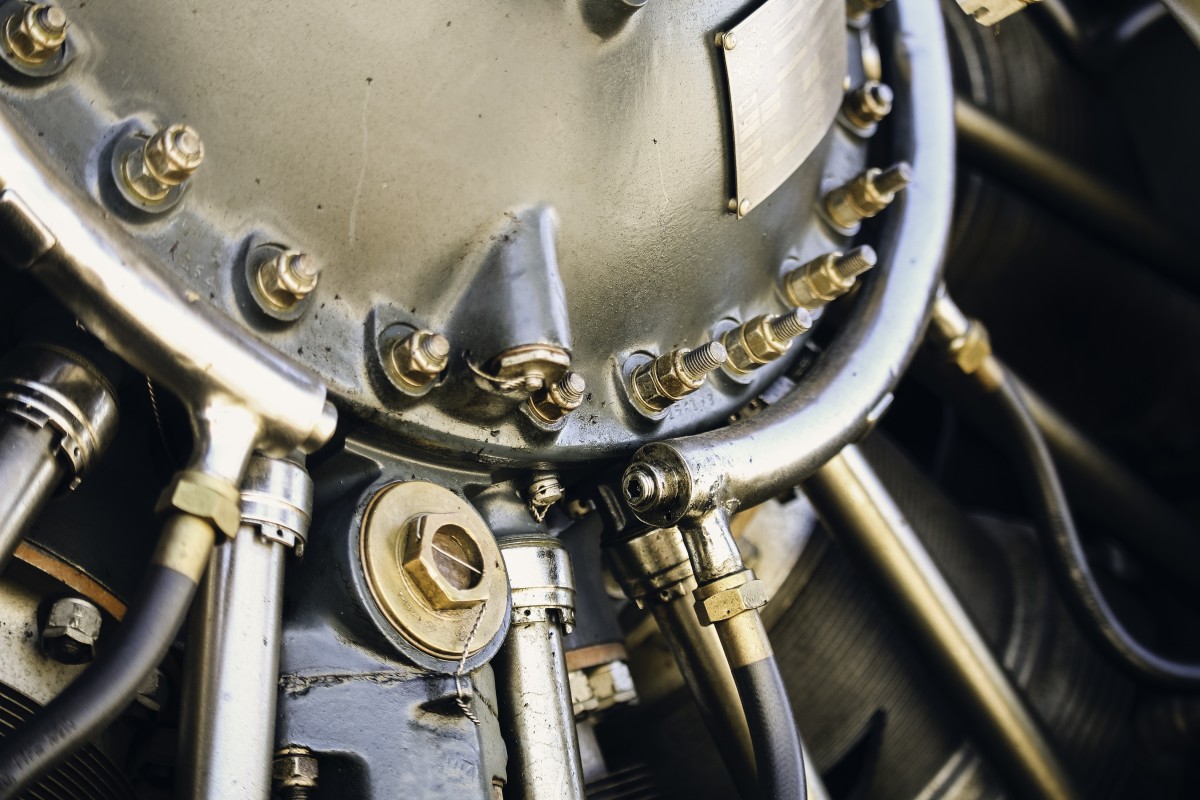

The automotive industry is undergoing a revolution, and at the heart of this transformation is engine technology. As the world shifts towards sustainability and efficiency, engineers are redefining how engines operate. From electrification to hydrogen power, the landscape is changing at a rapid pace. With future engine advancements shaping the way we drive, it’s an exciting time to explore what’s next for internal combustion and alternative powertrains.
1. Electrification: The New Powerhouse
Electric vehicles (EVs) are no longer a futuristic concept; they are today’s reality. Automakers worldwide are investing heavily in battery technology, making EVs more powerful, efficient, and accessible. Unlike traditional combustion engines, electric motors generate instant torque, delivering seamless acceleration.
The biggest challenge? Battery capacity and charging infrastructure. But with the rise of solid-state batteries—offering greater energy density and faster charging times—EVs are poised to become even more practical. As a result, next-gen engine tech in the electric space is evolving rapidly, ensuring longer driving ranges and shorter charging stops.
2. Hydrogen Power: A Game-Changer for Sustainability
Hydrogen-powered engines represent a promising alternative to both gasoline and battery-electric vehicles. Fuel cell technology converts hydrogen into electricity, producing only water vapor as a byproduct. Unlike battery-powered EVs, hydrogen vehicles can be refueled in minutes, offering convenience similar to gasoline cars.
However, widespread adoption is still hindered by infrastructure challenges. Hydrogen refueling stations are scarce, and production costs remain high. Despite these hurdles, companies like Toyota, Hyundai, and BMW are pioneering innovative engine solutions that make hydrogen technology more viable for the mass market.
3. Hybrid Powertrains: The Best of Both Worlds
Hybrids bridge the gap between conventional internal combustion engines (ICE) and full electrification. By combining gasoline power with electric assistance, hybrids reduce fuel consumption and emissions while maintaining impressive range.
Modern plug-in hybrids (PHEVs) take this further by allowing short-distance electric driving before switching to gasoline. This blend of technologies offers a practical solution for drivers hesitant to transition fully to electric. As engine evolution trends continue, hybrid systems will become even more efficient, with smarter energy regeneration and enhanced battery management.
4. Turbocharged Efficiency: Smaller Yet Mightier
Downsizing doesn’t mean sacrificing power. Modern turbocharged engines prove that smaller displacement engines can still deliver impressive performance. By forcing more air into the combustion chamber, turbochargers enhance power output while improving fuel efficiency.
Automakers are now incorporating advanced turbocharging with electrification, creating “electric turbo” systems that eliminate lag and maximize efficiency. This trend is redefining next-gen engine tech, ensuring that even traditional ICEs remain competitive in the era of alternative fuels.
5. Alternative Fuels: Beyond Gasoline and Diesel
The future of engines isn’t just about electricity and hydrogen. Alternative fuels like biofuels, synthetic fuels, and compressed natural gas (CNG) are gaining traction. These fuels offer a cleaner-burning alternative while utilizing existing infrastructure, making them a practical solution for the near term.
Synthetic fuels, in particular, hold great promise. Developed using renewable energy and carbon capture technology, synthetic fuels can power traditional combustion engines with minimal environmental impact. Companies like Porsche and Audi are investing in this space, proving that future engine advancements can still include sustainable combustion options.
6. Smart Engines: AI and Machine Learning in Performance Optimization
Technology isn’t just changing how engines are powered—it’s revolutionizing how they operate. Artificial intelligence (AI) and machine learning are being integrated into engine control systems to optimize performance, fuel economy, and emissions in real time.
Advanced sensors and onboard computers continuously analyze driving conditions, adjusting air-fuel ratios, ignition timing, and even cylinder activation for maximum efficiency. These self-learning systems are pushing the boundaries of engine evolution trends, making engines more intelligent and responsive than ever before.
7. The Rise of 3D Printing in Engine Manufacturing
Traditionally, engine components have been mass-produced using casting and machining. However, 3D printing technology is changing the game. This innovative manufacturing method allows for lighter, more durable engine parts with intricate designs that were previously impossible to create.
Companies like Bugatti and GE Aviation are already utilizing 3D-printed components in high-performance engines. This approach reduces material waste, cuts production costs, and enables rapid prototyping of innovative engine solutions that improve both efficiency and durability.
8. The Role of Aerodynamics and Thermal Efficiency
Engine performance isn’t just about power output—it’s also about managing heat and airflow. Automakers are developing cutting-edge cooling systems and aerodynamic enhancements to maximize efficiency.
For example, active grille shutters, which adjust airflow based on engine cooling needs, help reduce drag and improve fuel economy. Meanwhile, advancements in thermal coatings and high-performance lubricants allow engines to operate at optimal temperatures with minimal wear. These incremental but crucial future engine advancements ensure that engines last longer while delivering peak performance.
Final Thoughts: The Road Ahead
The future of engine technology is a fusion of electrification, smart engineering, and sustainable fuel alternatives. Whether it’s hydrogen-powered vehicles, AI-driven performance optimization, or turbocharged efficiency, next-gen engine tech is evolving at a breathtaking pace.
As automakers continue to innovate, drivers can expect cleaner, more efficient, and more powerful engines in the coming years. The possibilities are limitless, and with ongoing research into engine evolution trends, the cars of tomorrow will be faster, greener, and smarter than ever before.