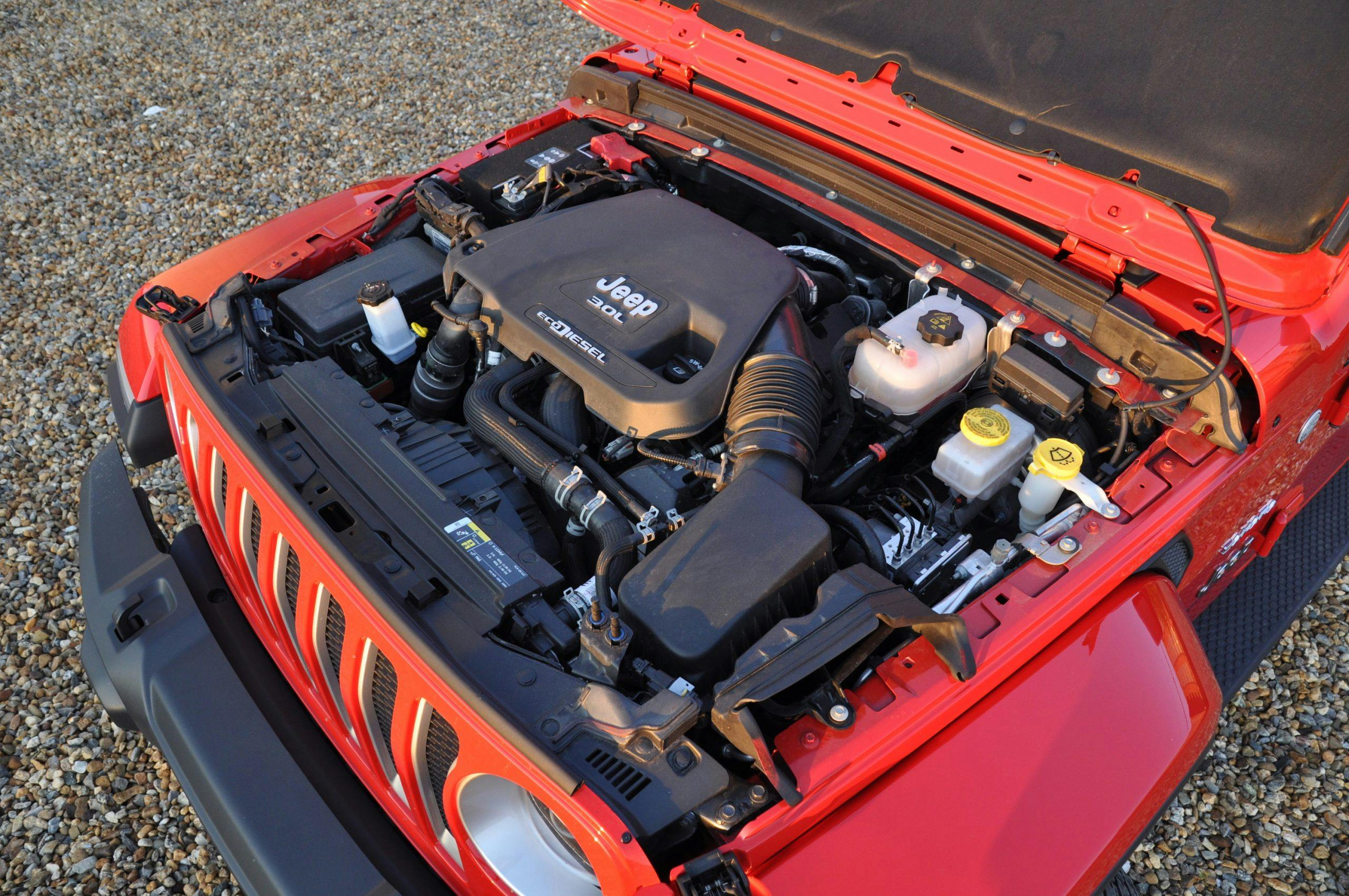

Speed. Power. Precision. These three factors define the heart of every high-performance vehicle. But what truly makes an engine exceptional? Whether it’s a track-ready supercar or a finely tuned street machine, performance engine features determine how well a car delivers raw power and adrenaline-pumping speed.
From cutting-edge technology to refined mechanical components, the best powerful car engines combine efficiency, responsiveness, and durability. Let’s dive into the key elements that separate an ordinary engine from one built for peak performance.
The Science Behind Speed and Power
1. High-Revving Capability
A well-designed speed-focused engine build thrives at high RPMs. The ability to maintain power delivery at extreme revolutions per minute (RPM) ensures rapid acceleration and an exhilarating driving experience. Many legendary performance engines, such as the Honda VTEC and Porsche flat-six, achieve their peak output at redline, making them ideal for high-speed driving.
2. Turbocharging and Supercharging
Forced induction is a game-changer. Turbochargers and superchargers increase air intake, allowing the engine to burn more fuel and generate immense power. Turbocharged engines, like those found in modern Porsches and BMW M models, deliver outstanding horsepower while maintaining efficiency. On the other hand, superchargers provide instant power, as seen in iconic muscle cars like the Dodge Hellcat series.
3. Advanced Fuel Injection Systems
Gone are the days of carburetors. Direct fuel injection optimizes combustion, increasing efficiency and power output. By precisely delivering fuel at high pressure, this system improves throttle response and enhances overall performance.
4. Lightweight Yet Durable Components
A great performance engine isn’t just about power—it’s about balance. High-performance cars use aluminum and titanium components to reduce weight while maintaining strength. Lighter materials improve the power-to-weight ratio, allowing the car to accelerate faster and handle better.
Top Engine Configurations for Performance Cars
1. V8 – The Muscle Car Legend
The V8 remains one of the most revered powerful car engines in automotive history. Known for its deep, aggressive roar and immense torque, this engine configuration powers American icons like the Ford Mustang GT, Chevrolet Corvette, and Dodge Charger. It delivers brutal acceleration and is perfect for straight-line speed enthusiasts.
2. Inline-Six – Smooth Power Delivery
This engine layout, famous in BMW’s M series and Toyota’s legendary Supra, offers a balance between performance and refinement. The inline-six is known for its smooth operation, high rev limits, and excellent reliability.
3. V12 – The Pinnacle of Performance
Lamborghini, Ferrari, and Aston Martin have all used V12 engines to define their flagship supercars. With monstrous horsepower figures and a symphony of mechanical perfection, these engines push the boundaries of automotive performance.
4. Flat-Six – Porsche’s Masterpiece
Porsche’s rear-mounted flat-six engines provide a unique driving experience, offering exceptional handling balance and a signature exhaust note. The lightweight design enhances agility, making the Porsche 911 one of the best-handling performance cars on the road.
Essential Performance Engine Features
1. Strong Crankshaft and Pistons
High-performance engines undergo extreme stress. Reinforced crankshafts and forged pistons ensure that the engine can withstand high RPMs and massive power outputs without failure.
2. Performance-Tuned Exhaust System
A high-flow exhaust system maximizes airflow, reducing backpressure and increasing horsepower. The result? A more responsive engine with a thrilling exhaust note that commands attention.
3. Precision Cooling Systems
High-speed driving generates excessive heat. Advanced cooling systems, including larger radiators and intercoolers, prevent overheating and maintain optimal performance levels.
4. Aerodynamic Engine Bay Design
Top-tier speed-focused engine builds integrate aerodynamics even under the hood. Engine compartments are designed to improve airflow, keeping temperatures low and ensuring efficient combustion.
How to Choose the Right Performance Engine
When selecting an engine for a performance car, consider the following top engine qualities:
- Power-to-Weight Ratio – More horsepower with less weight leads to faster acceleration.
- Torque Output – A high torque rating ensures rapid response and better drivability.
- Reliability Under Stress – Performance engines should be built to handle extreme conditions.
- Aftermarket Upgrade Potential – Some engines are easier to modify for additional power gains.
The Future of Performance Engines
As technology advances, so do performance engine features. Hybrid-assisted powertrains and electric performance motors are reshaping the landscape. While traditional internal combustion engines still dominate, the future will likely see a blend of electric and gas-powered high-performance machines.
From monstrous V8s to high-revving inline-sixes, the world of powerful car engines continues to evolve. Whether you’re chasing speed on the track or seeking a thrilling ride on the open road, a well-built engine is the key to automotive excitement.