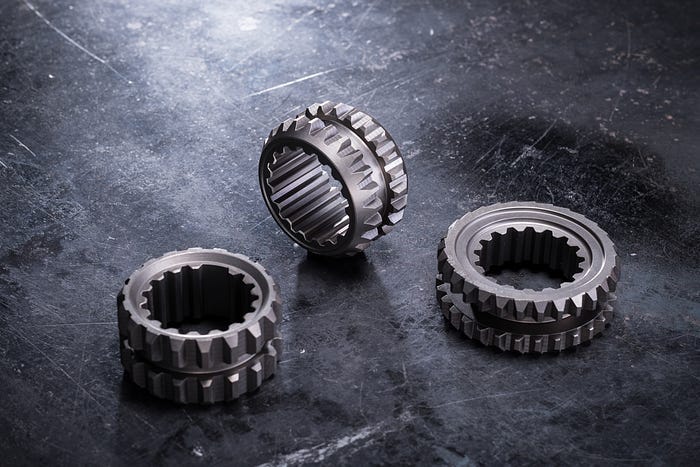

Your vehicle’s transmission is a finely tuned system that relies on one crucial element to function seamlessly—transmission fluid. Often overlooked, this fluid plays a vital role in ensuring smooth gear shifts, protecting internal components, and keeping your car running efficiently. Without proper care, transmission fluid can degrade, leading to serious performance issues and costly repairs. Understanding its impact will help you make informed decisions about your vehicle’s maintenance.
The Role of Transmission Fluid
Transmission fluid is more than just a lubricant; it serves multiple functions within your vehicle’s transmission system. It helps enhance gear lubrication, dissipates heat, and facilitates smooth gear shifts. Whether you drive an automatic or manual transmission, maintaining the right fluid quality is essential for preserving your car’s performance.
Over time, transmission fluid can break down, becoming contaminated with metal particles and debris. This compromises its ability to function effectively, leading to increased friction, overheating, and premature wear on transmission components.
The Importance of Optimal Fluid Balance
Keeping an optimal fluid balance is crucial for transmission longevity. Too much or too little fluid can spell disaster for your vehicle’s transmission system.
- Too Much Fluid: Excess transmission fluid can cause foaming, leading to inconsistent hydraulic pressure. This affects gear shifts and increases wear on components.
- Too Little Fluid: Low fluid levels reduce lubrication, leading to excessive friction and overheating. This can cause gear slippage and even complete transmission failure.
Checking fluid levels regularly and ensuring an optimal fluid balance will keep your transmission operating efficiently. If you’re unsure how to check your fluid, consult your owner’s manual or visit a professional mechanic for guidance.
How Transmission Fluid Helps Enhance Gear Lubrication
One of the primary functions of transmission fluid is to enhance gear lubrication. The intricate gears within your transmission system rely on a steady flow of clean, high-quality fluid to operate smoothly. Without adequate lubrication, gears experience increased resistance, leading to rough shifting and accelerated wear.
- Reduces Friction: Transmission fluid forms a protective barrier between moving components, minimizing metal-on-metal contact.
- Prevents Overheating: Proper lubrication keeps heat levels in check, preventing transmission damage.
- Extends Gear Life: With optimal lubrication, gears last longer, reducing the need for expensive replacements.
Regularly changing your transmission fluid ensures that it continues to enhance gear lubrication effectively, keeping your vehicle in top condition.
Why You Should Maintain Fluid Levels
Keeping an eye on your transmission fluid level is a simple yet effective way to prevent transmission issues. If fluid levels drop too low, you may notice symptoms such as delayed shifting, slipping gears, or strange noises while driving. These are warning signs that immediate attention is needed.
Here’s how to maintain fluid levels properly:
- Check Fluid Regularly: Use your car’s dipstick (if equipped) to inspect fluid levels and ensure they fall within the recommended range.
- Look for Leaks: Transmission fluid leaks can occur due to worn seals or damaged components. A reddish puddle under your vehicle is a sign of a potential leak.
- Replace Old Fluid: Over time, transmission fluid degrades and loses its effectiveness. Regular fluid changes help keep the system running smoothly.
By taking these simple steps, you can maintain fluid levels and avoid unnecessary transmission problems.
How Transmission Fluid Can Improve Shifting Smoothness
Few things are as frustrating as a transmission that hesitates, jerks, or shifts unpredictably. Poor fluid quality is often the culprit behind these issues. Clean, well-maintained transmission fluid helps improve shifting smoothness, ensuring that gears transition seamlessly with minimal effort.
- Prevents Rough Shifting: Fresh fluid reduces friction and provides the necessary hydraulic pressure for smooth gear changes.
- Enhances Responsiveness: A properly lubricated transmission responds quicker, reducing lag and hesitation.
- Reduces Wear on Clutches and Bands: Transmission fluid protects internal components, preventing premature wear and tear.
Neglecting your transmission fluid can lead to erratic shifting behavior and long-term damage. If your vehicle starts experiencing rough gear shifts, it may be time to flush and replace the fluid.
Signs Your Transmission Fluid Needs Attention
Even if your vehicle seems to be running fine, transmission fluid can silently degrade over time. Here are some signs that indicate it’s time for maintenance:
- Dark or Burnt Fluid: Fresh transmission fluid is typically red or pink. If it turns dark brown or smells burnt, it needs replacement.
- Slipping Gears: If your car unexpectedly changes gears or struggles to stay in gear, low or degraded fluid could be the cause.
- Delayed or Hard Shifting: A lag in response when shifting gears often points to transmission fluid issues.
- Overheating Transmission: If your transmission overheats, poor lubrication could be the problem.
Addressing these issues early on can save you from expensive transmission repairs down the road.
Transmission fluid is the lifeblood of your vehicle’s transmission system. By maintaining an optimal fluid balance, ensuring proper lubrication, and keeping an eye on fluid quality, you can enhance gear lubrication, maintain fluid levels, and improve shifting smoothness. Regular fluid checks and timely changes will keep your transmission running efficiently, ensuring a smoother and more reliable driving experience for years to come. Don’t wait until problems arise—take care of your transmission fluid today!