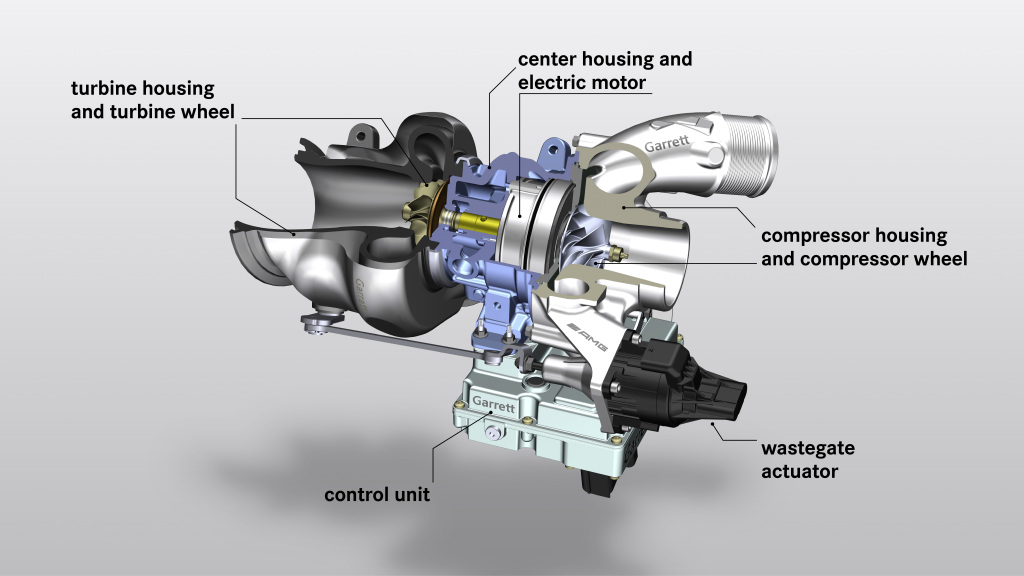

Your engine is the heart of your vehicle, and just like any well-maintained machine, it thrives on proper care. Whether you’re a daily commuter or a weekend road warrior, taking the right steps to extend engine lifespan can save you from costly repairs and unexpected breakdowns. A well-maintained engine isn’t just about longevity—it ensures peak performance, fuel efficiency, and a smoother driving experience.
The Importance of Engine Longevity
Engines operate under intense conditions, with high temperatures, constant friction, and extreme pressure. Over time, wear and tear take their toll, but with smart maintenance habits, you can reduce engine stress and keep your vehicle running like new for years.
Essential Tips to Extend Engine Lifespan
1. Prioritize Regular Oil Changes
Oil is the lifeblood of your engine, ensuring smooth lubrication and reducing heat buildup. Old, dirty oil loses its effectiveness, leading to increased friction and wear.
- Change your oil at manufacturer-recommended intervals.
- Use high-quality synthetic oil for better protection.
- Always check oil levels and top up when necessary.
This simple practice significantly contributes to enhance engine endurance and keeps internal components functioning optimally.
2. Maintain a Clean Air Filter
Engines need a precise air-fuel mixture for efficient combustion. A clogged air filter restricts airflow, forcing the engine to work harder and reducing overall performance.
- Replace the air filter every 12,000 to 15,000 miles.
- Inspect it more frequently if driving in dusty conditions.
- Consider upgrading to a high-flow performance filter for better airflow.
Clean air intake ensures complete combustion and helps reduce engine stress, preventing unnecessary strain on the system.
3. Keep the Cooling System in Check
An overheating engine is one of the fastest ways to cause irreversible damage. The cooling system prevents excessive heat buildup, keeping temperatures within safe limits.
- Regularly check coolant levels and top off when needed.
- Inspect the radiator and hoses for leaks or blockages.
- Flush and replace coolant as recommended by your vehicle’s manual.
By keeping your engine cool, you enhance engine endurance and avoid serious damage caused by overheating.
4. Avoid Aggressive Driving
Hard acceleration, rapid braking, and excessive revving put immense strain on engine components. While it might be tempting to push your car to the limit, a smoother driving style goes a long way in preserving your engine.
- Gradually accelerate instead of flooring the gas pedal.
- Avoid excessive idling, as it leads to unnecessary engine wear.
- Let the engine warm up properly before driving at high speeds.
Gentle driving habits reduce engine stress, ensuring your engine operates efficiently without unnecessary strain.
5. Use High-Quality Fuel and Additives
Fuel quality plays a crucial role in engine health. Low-grade fuel can lead to carbon buildup, knocking, and poor combustion.
- Opt for premium fuel if your vehicle requires it.
- Use fuel system cleaners to remove deposits.
- Avoid running on an empty tank to prevent fuel pump damage.
With cleaner fuel, you improve efficiency, extend component life, and keep your engine in top shape.
6. Pay Attention to Warning Signs
Your engine will often give subtle hints when something isn’t right. Ignoring warning lights or unusual noises can turn a minor issue into a costly repair.
- Address check engine lights promptly.
- Listen for knocking, rattling, or unusual vibrations.
- Get regular diagnostic checks to catch problems early.
Being proactive about minor issues leads to long-lasting engine tips that help you avoid major breakdowns.
7. Keep Up with Transmission and Belt Maintenance
Your engine works in harmony with other components, such as the transmission and drive belts. If these parts wear out, they can indirectly harm the engine.
- Replace timing belts and serpentine belts as recommended.
- Ensure proper transmission fluid levels and changes.
- Inspect for leaks or signs of wear on essential parts.
By keeping these components in check, you can extend engine lifespan and ensure your vehicle runs smoothly.
Final Thoughts
A little preventative care goes a long way in maximizing your engine’s performance and longevity. By following these long-lasting engine tips, you can reduce engine stress, enhance engine endurance, and extend engine lifespan with ease. Proper maintenance not only saves you from expensive repairs but also guarantees a smoother, more efficient ride for years to come. Treat your engine well, and it will reward you with reliable performance every mile of the way!