
There’s something magical about a well-maintained car engine. It hums smoothly, responds instantly, and seems almost alive as it carries you from one destination to the next. Yet, behind that effortless purr lies a world of care, precision, and understanding that most drivers never explore. Whether you’re a seasoned mechanic or a weekend road-tripper, knowing how to keep your engine in peak condition can save you thousands in repairs and extend your vehicle’s life for years. Welcome to the world of the “Engine Whisperer,” where we unlock the secrets to maintaining your ride so it runs like new long after it leaves the dealership.
Introduction & Background
Cars are more than just metal and rubber; they’re complex machines with hearts that beat under the hood. The engine, often called the heart of the vehicle, is responsible for converting fuel into motion, powering everything from daily commutes to cross-country adventures. Yet, despite its importance, the engine is one of the most misunderstood components for the average driver. Many people treat their cars like appliances, ignoring regular maintenance until something goes wrong. This reactive approach leads to costly breakdowns and premature wear.
In today’s world, where new cars are expensive and environmental concerns drive the push for longevity, understanding your engine’s needs is more valuable than ever. Whether you drive a vintage classic or a modern turbocharged sedan, the principles of engine care remain rooted in consistency, knowledge, and timely action. The “Engine Whisperer” isn’t just about fixing problems, it’s about preventing them, anticipating needs, and developing a relationship with your vehicle. By treating your engine with respect and attention, you transform from a mere driver into a guardian of performance.
Concept & Overview
The idea of being an “Engine Whisperer” comes from the way skilled mechanics listen to, diagnose, and care for engines almost intuitively. It’s not about magic or luck; it’s about understanding the language your engine speaks. Every knock, idle vibration, or hesitation is a message, and with the right knowledge, you can interpret it before it becomes a serious issue.
At its core, engine whispering is about proactive maintenance and attentive observation. It involves knowing your engine’s normal operating conditions, recognizing early warning signs, and responding with the right care. This concept applies to all engines, whether gasoline, diesel, or hybrid, and spans from basic oil changes to advanced diagnostics. The philosophy is simple: treat your engine well, and it will reward you with years of reliable service. Ignore it, and you’ll face the consequences in the form of reduced efficiency, costly repairs, and shortened lifespan.
The principles revolve around three key pillars: regular inspection, proper fluid management, and timely repairs. By mastering these, you build a foundation of trust between you and your vehicle. No longer will you be at the mercy of unexpected breakdowns or unreliable performance. Instead, you’ll enjoy a smooth, responsive ride that feels as fresh as the day you drove it off the lot.
Key Features & Highlights
- Routine Oil Changes. This is the single most important maintenance task for any engine. Fresh oil lubricates moving parts, reduces friction, and carries away contaminants. Skipping oil changes leads to sludge buildup, overheating, and accelerated wear. Follow the manufacturer’s recommended interval, typically every 5,000 to 7,500 miles for conventional oil, or longer for synthetic blends.
- Air Filter Replacement. A clean air filter ensures optimal airflow to the engine, improving combustion efficiency and power output. A clogged filter restricts air, reduces fuel economy, and can cause rough idling. Check and replace it every 12,000 to 15,000 miles, or more often in dusty conditions.
- Coolant System Maintenance. The cooling system prevents your engine from overheating, which can warp cylinder heads and damage gaskets. Regularly check coolant levels, inspect hoses for leaks or cracks, and flush the system every 30,000 to 60,000 miles.
- Spark Plug Inspection. Spark plugs ignite the air-fuel mixture in gasoline engines. Worn or fouled plugs reduce power, lower fuel efficiency, and increase emissions. Replace them every 30,000 to 100,000 miles, depending on the type and driving conditions.
- Battery Health Check. A weak battery doesn’t just cause starting issues; it can stress the alternator and affect other electrical systems. Test battery voltage regularly, clean corrosion from terminals, and replace it every 3 to 5 years.
- Fuel System Cleaning. Over time, carbon deposits build up in fuel injectors and intake valves, reducing performance and fuel economy. Use quality fuel additives or professional cleaning services every 10,000 to 15,000 miles to keep the system clean.
- Timing Belt Replacement. The timing belt synchronizes the engine’s camshaft and crankshaft. If it fails, catastrophic engine damage can occur. Replace it every 60,000 to 100,000 miles, or sooner if recommended by the manufacturer.
- Regular Diagnostic Scans. Modern cars have onboard computers that monitor engine performance. A simple OBD-II scan can reveal hidden issues like misfires, oxygen sensor failures, or exhaust leaks. Don’t wait for the check engine light, scan early and often.
Frequently Asked Questions / Pros & Cons
What are the signs that my engine needs attention?
Your engine communicates through several clear symptoms. Pay attention to unusual noises like knocking, ticking, or grinding, which often indicate worn bearings, low oil, or timing issues. Poor fuel economy, sluggish acceleration, or a noticeable drop in power are red flags. Excessive exhaust smoke, whether blue, black, or white, signals oil burning, rich fuel mixtures, or coolant leaks. Also, watch for warning lights on the dashboard, strange smells like burning oil or coolant, and vibrations or rough idling. Each of these signs is a clue your engine is trying to give you.
Is it better to follow the manufacturer’s maintenance schedule or go by my own judgment?
While the manufacturer’s schedule is a reliable starting point, it’s not a one-size-fits-all solution. Driving conditions play a huge role in engine wear. If you frequently drive in stop-and-go traffic, tow heavy loads, or operate in extreme temperatures, your engine will endure more stress than a highway commuter’s. In such cases, follow a more frequent maintenance routine. Conversely, gentle highway driving may allow you to extend intervals slightly. Always use common sense and consult a trusted mechanic when in doubt. Your car’s manual is your guide, but your eyes and ears are your best tools.
What is the difference between synthetic and conventional oil, and which should I use?
Conventional oil, refined from crude oil, is affordable and widely available but breaks down faster under high temperatures and heavy loads. Synthetic oil, engineered in a lab, offers superior protection, better temperature resistance, and longer life. It resists sludge buildup, reduces engine wear, and improves fuel efficiency. Synthetic blends combine the two, offering a middle ground. For most modern engines, synthetic oil is recommended, especially in extreme climates or high-performance applications. Always check your owner’s manual to confirm the recommended oil type and viscosity.
Can I clean my engine myself, or should I take it to a professional?
Cleaning the engine bay is safe and beneficial if done correctly. Use a degreaser designed for automotive use, avoid spraying water directly on electrical components, and cover sensitive areas like the battery and alternator with plastic bags. A soft brush and microfiber cloths work well for tight spots. However, if your engine has severe carbon buildup in the intake or exhaust systems, or if you’re unsure about accessing certain components, a professional cleaning service is worth the investment. They use specialized tools and chemicals that deliver deeper, safer cleaning.
What is “engine tuning,” and how often should I do it?
Engine tuning involves adjusting the engine’s computer to optimize performance, fuel efficiency, and emissions. Modern vehicles often self-tune during regular driving, but a professional tune-up can reset parameters, update software, and correct drivability issues. Signs you may need a tune include rough idling, hesitation during acceleration, or decreased fuel economy. Most manufacturers recommend a professional tune every 30,000 miles or as indicated by the vehicle’s onboard diagnostics. For enthusiasts with modified engines, more frequent tuning is often necessary to maintain peak performance.
Practical Guidance & Solutions
Becoming an “Engine Whisperer” starts with building a maintenance routine that works for your lifestyle and vehicle. Begin by creating a maintenance calendar based on your car’s manual. Mark down every oil change, air filter replacement, and upcoming service. Use a simple spreadsheet or a dedicated app to track mileage and service dates. Set reminders on your phone so you never miss an important task.
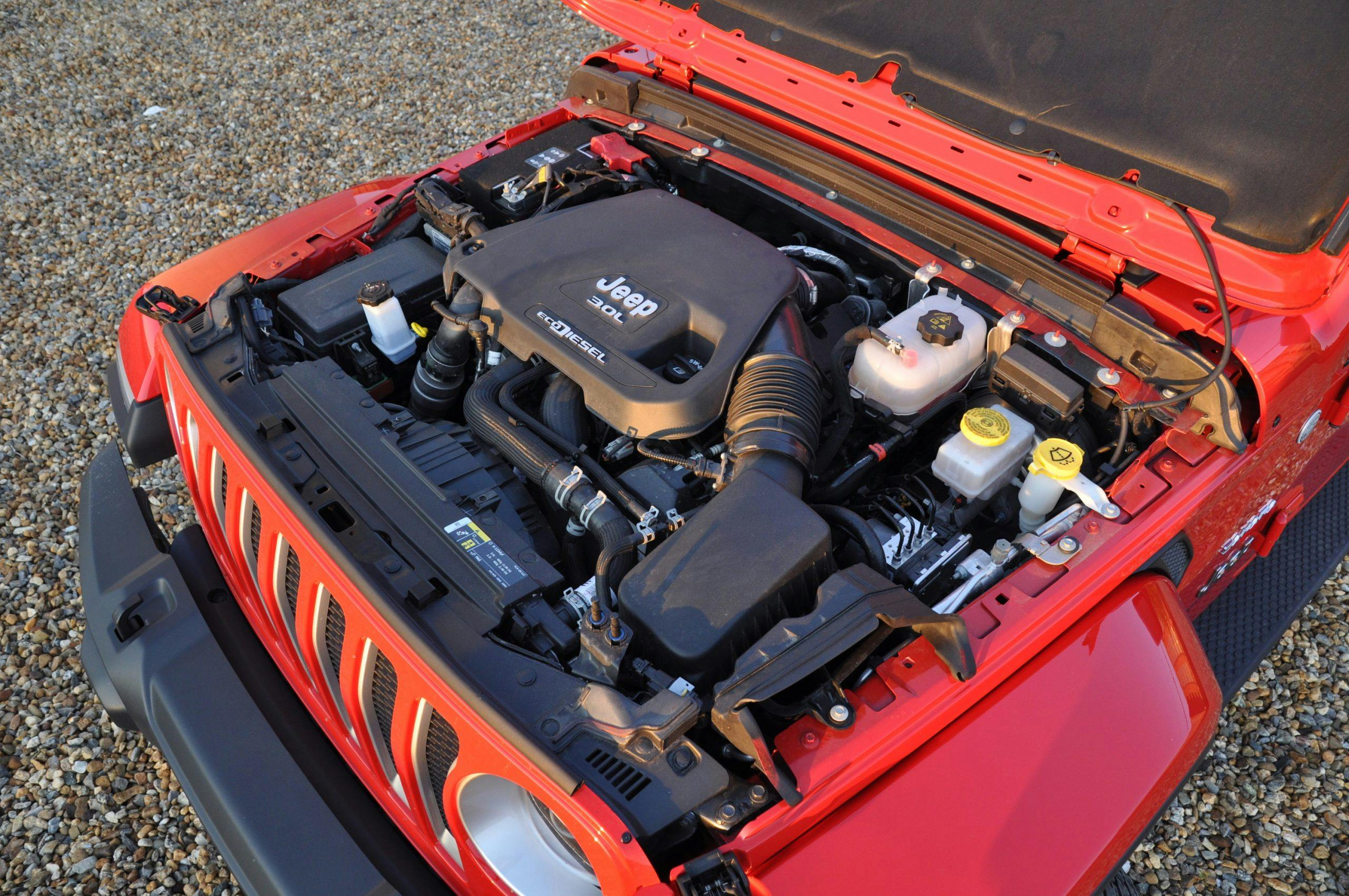
Invest in basic tools: a socket set, wrench set, oil filter wrench, and a reliable jack and jack stands. You don’t need a full workshop, but having the right tools allows you to perform many maintenance tasks yourself. Learn to check your oil level weekly and top it off if needed. Become familiar with your engine bay, know where the dipstick, oil fill cap, coolant reservoir, and battery terminals are located.
When you notice something unusual, don’t ignore it. A small vibration today could become a major repair tomorrow. If you’re unsure about a noise or symptom, record it with your phone and play it back. A knocking sound is easier to diagnose when you’ve heard it clearly. Keep a log of any changes in performance, fuel economy, or handling. Over time, this log becomes a valuable resource for diagnosing issues.
Don’t overlook the importance of driving habits. Aggressive acceleration and sudden braking increase engine stress and fuel consumption. Gentle, smooth driving not only saves gas but also extends engine life. Avoid idling for long periods, especially in cold weather, as it causes unnecessary wear on components. If you live in a cold climate, consider using a block heater in winter to reduce strain on the engine during startup.
Finally, build a relationship with a trusted mechanic. Not all shops are created equal, so find one who communicates clearly, offers fair pricing, and respects your budget. Ask for recommendations from friends or online reviews. A good mechanic becomes your partner in engine care, offering expert advice and early warnings before problems escalate.
Conclusion
Your car’s engine is more than just a machine; it’s a living system that thrives on care and attention. By embracing the mindset of an “Engine Whisperer,” you move beyond reactive repairs and step into a world of proactive protection and performance. Every oil change, filter swap, and diagnostic scan is a step toward ensuring your ride purrs like new for years to come.
Remember, the secret isn’t in expensive parts or complicated procedures, it’s in consistency, observation, and respect for the machine beneath the hood. Whether you’re cruising down the highway or stuck in traffic, your engine is working hard for you. Treat it well, listen to its rhythm, and it will reward you with reliability, efficiency, and the joy of driving a car that feels brand new every time you turn the key.
So, grab your tools, set your reminders, and start listening. The road ahead is clearer, smoother, and far more enjoyable when you and your engine are in perfect harmony.