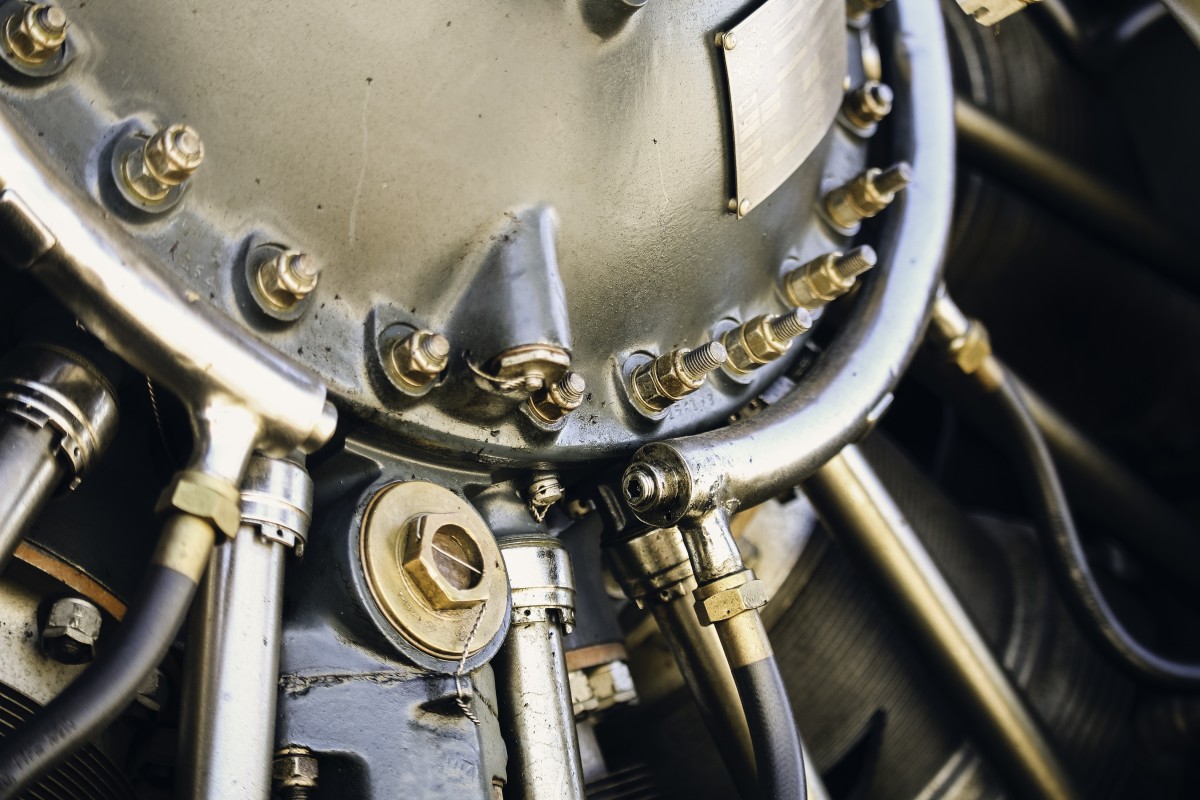

A powerful engine is more than just raw horsepower—it’s a symphony of precision engineering, combustion dynamics, and mechanical efficiency. Every moving part plays a critical role in generating, transferring, and optimizing power. Understanding powerful engine mechanics gives insight into how modern engines push the boundaries of speed, efficiency, and durability.
The Core Principles of Engine Power
At the heart of any high-performance engine lies the intricate relationship between air, fuel, compression, and ignition. When these elements align perfectly, the engine delivers maximum force with minimal energy loss. The science behind this process, often referred to as engine efficiency science, is what separates a sluggish motor from an exhilarating powerhouse.
1. Air and Fuel: The Perfect Mixture
Air and fuel combustion is the cornerstone of internal combustion engines. The key is achieving the ideal air-to-fuel ratio for complete and efficient burning.
- A lean mixture (more air, less fuel) increases fuel economy but may reduce power.
- A rich mixture (more fuel, less air) boosts power output but can lead to inefficient burning and excess emissions.
- Modern engines use electronic fuel injection (EFI) to regulate this ratio with pinpoint accuracy, ensuring optimal performance.
To truly improve engine combustion, high-performance vehicles often incorporate turbochargers or superchargers to increase air intake, leading to greater power potential.
2. Compression: The Power Multiplier
Compression is the process of squeezing the air-fuel mixture before ignition. The more compressed the mixture, the more powerful the explosion, resulting in increased force on the pistons.
- High-compression engines deliver more power per cycle but require premium fuel to prevent knocking.
- Performance engines use forged pistons and reinforced cylinders to withstand high pressures.
- Direct injection technology injects fuel precisely into the combustion chamber, improving burn efficiency.
This strategic enhancement of compression plays a major role in maximizing engine output without unnecessary fuel waste.
3. Ignition: The Spark of Power
A powerful engine relies on a strong and precisely timed ignition. Spark plugs fire at the perfect moment to ignite the compressed air-fuel mixture, driving the pistons down with immense force.
- High-performance spark plugs provide a more consistent spark.
- Advanced ignition timing adjusts based on load, speed, and temperature.
- Coil-on-plug (COP) ignition systems deliver higher voltage directly to each plug, increasing efficiency.
Without precise ignition timing, even the most finely tuned engine will lose efficiency and potential power.
Reducing Energy Loss for Greater Efficiency
While raw power is impressive, true performance comes from minimizing energy losses. Every moving component introduces friction and heat, both of which sap engine efficiency. That’s where engine efficiency science comes into play.
- Low-friction coatings on pistons and bearings reduce energy loss.
- Advanced lubricants improve heat dissipation and reduce wear.
- Lightweight materials such as aluminum and carbon fiber decrease overall engine mass, improving power-to-weight ratio.
By optimizing these factors, modern engines can generate more power without sacrificing longevity or efficiency.
Enhancing Exhaust Flow for Better Performance
After combustion, gases need to exit quickly and efficiently. A restrictive exhaust system causes back pressure, which limits an engine’s ability to intake fresh air.
- Performance headers and exhaust manifolds allow for smoother airflow.
- Larger-diameter exhaust pipes reduce restriction, increasing horsepower.
- Catalytic converters and resonators are designed to improve emissions while maintaining performance.
A well-tuned exhaust system is a hidden but crucial factor in maximizing engine output and maintaining consistent performance.
Cutting-Edge Technologies in Modern Engines
With advancements in powerful engine mechanics, modern engines incorporate high-tech features to push efficiency and performance to new heights.
1. Variable Valve Timing (VVT)
VVT technology adjusts the timing of valve openings to optimize airflow at different speeds. This allows engines to perform well at low RPMs while unlocking more power at higher speeds.
2. Turbocharging and Supercharging
Forced induction systems like turbochargers and superchargers increase air pressure entering the engine, significantly boosting power without needing a larger engine.
3. Hybrid Assistance
Some modern performance vehicles use electric motors to supplement traditional internal combustion engines, delivering instant torque while improving fuel efficiency.
A truly powerful engine is not just about displacement or brute force—it’s about precision, efficiency, and cutting-edge engineering. By mastering engine efficiency science, refining combustion, and reducing wasted energy, today’s engines can deliver unmatched performance. Whether through fine-tuned powerful engine mechanics or breakthrough technologies, the quest to improve engine combustion and maximize engine output continues to push automotive innovation forward. The result? More speed, greater efficiency, and an exhilarating driving experience every time you hit the road.