
Introduction & Background
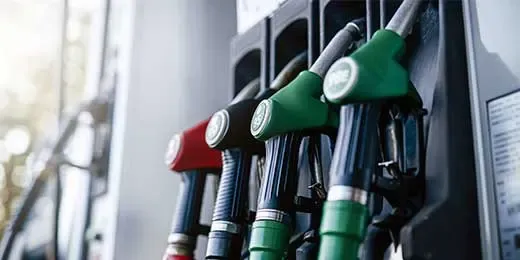
The world of internal combustion engines has long been the backbone of global transportation, powering everything from cars to airplanes. However, as environmental concerns rise and fuel prices fluctuate, the need for innovation in fuel technology has never been more urgent. The future of engines is not just about speed or power anymore. It is about sustainability, efficiency, and breaking the boundaries of what was once thought possible. This shift is driving researchers and engineers to explore groundbreaking fuel technologies that promise to redefine the way we power our machines. By embracing these advancements, we stand on the brink of a transportation revolution that could reshape industries and reduce our carbon footprint for generations to come.
Concept & Overview
The concept of revolutionizing engines through advanced fuel technology revolves around developing alternatives that are cleaner, more efficient, and capable of delivering high performance without compromising on reliability. At its core, this involves exploring fuels that are not derived from traditional petroleum sources, such as biofuels, synthetic fuels, and hydrogen. These fuels are designed to burn cleaner, emit fewer pollutants, and in many cases, offer better energy density than conventional gasoline or diesel. Additionally, advancements in engine design, such as the integration of hybrid systems and electric components, are playing a crucial role in enhancing fuel efficiency. The goal is to create engines that are not only powerful but also environmentally responsible, paving the way for a sustainable energy future.
Key Features & Highlights
- Biofuels: Derived from organic materials like algae, corn, or sugarcane, biofuels offer a renewable alternative to fossil fuels. They produce fewer greenhouse gas emissions and can be produced locally, reducing dependence on imported oil.
- Synthetic Fuels: These are man-made fuels created through chemical processes that convert carbon dioxide and hydrogen into liquid hydrocarbons. They are compatible with existing engine designs and can be tailored to meet specific performance requirements.
- Hydrogen Fuel Cells: Hydrogen-powered engines use fuel cells to generate electricity through a chemical reaction between hydrogen and oxygen. This process produces only water as a byproduct, making it one of the cleanest fuel options available.
- Electric Hybrid Systems: Combining traditional combustion engines with electric motors allows for improved fuel efficiency and reduced emissions. These systems optimize power delivery by switching between electric and gasoline power as needed.
- Advanced Engine Design: Innovations such as direct fuel injection, turbocharging, and variable valve timing are enhancing the efficiency of combustion engines. These technologies help maximize power output while minimizing fuel consumption and emissions.
- Alternative Combustion Methods: Technologies like homogeneous charge compression ignition (HCCI) and gasoline direct compression ignition (GDCI) are being developed to achieve more efficient and cleaner combustion. These methods aim to reduce inefficiencies and emissions associated with traditional spark-ignition engines.
Frequently Asked Questions / Pros & Cons
What are the main advantages of using biofuels in engines?
Biofuels offer several benefits, including reduced greenhouse gas emissions due to their lower carbon content. They are renewable and can be produced domestically, which enhances energy security. Additionally, biofuels often have higher octane or cetane ratings, which can improve engine performance and efficiency.
Are synthetic fuels a viable long-term solution for reducing emissions?
Synthetic fuels have the potential to be a long-term solution as they can be produced using captured carbon dioxide and renewable energy sources. This makes them carbon-neutral in theory. However, the production process must become more cost-effective and scalable to compete with traditional fuels on a large scale.
What challenges do hydrogen fuel cells face in replacing traditional engines?
The primary challenges include the high cost of fuel cell production, the lack of a widespread hydrogen refueling infrastructure, and the energy-intensive process of producing green hydrogen. Additionally, storing and transporting hydrogen safely remains a technical hurdle that needs to be overcome.
How do electric hybrid systems improve fuel efficiency?
Electric hybrid systems combine the power of an internal combustion engine with the efficiency of an electric motor. They allow the engine to operate at optimal load conditions, reducing fuel consumption and emissions. Regenerative braking, which captures energy during deceleration, further enhances efficiency by recharging the battery.
What are the drawbacks of HCCI and GDCI combustion technologies?
While HCCI and GDCI technologies offer improved efficiency and lower emissions, they also face challenges. These include difficulty in controlling the combustion process, higher nitrogen oxide emissions compared to traditional methods, and the need for advanced engine management systems to optimize performance. Additionally, these technologies may require significant modifications to existing engine designs.
Practical Guidance & Solutions
To transition effectively towards advanced fuel technologies, it is essential to start with small, actionable steps. For individuals considering a switch to biofuels, checking local availability and compatibility with their vehicle is a good first step. Many modern cars are already equipped to handle blends of ethanol or biodiesel, but it is important to consult the vehicle manual or a mechanic to avoid potential issues.
For those interested in hydrogen fuel cells or synthetic fuels, staying informed about infrastructure developments in their region is crucial. Governments and private companies are increasingly investing in hydrogen refueling stations and synthetic fuel production plants, so keeping an eye on these advancements can help identify opportunities for early adoption.
Businesses and fleet operators can benefit from transitioning to hybrid systems or exploring alternative fuels to reduce operational costs and meet sustainability goals. Investing in employee training to maintain and optimize these new technologies ensures a smooth transition and maximizes the benefits of improved fuel efficiency.
On a broader scale, supporting research and development in fuel technology through advocacy or partnerships with academic institutions and innovators can accelerate progress. Policymakers play a critical role in creating incentives for the adoption of cleaner fuels, such as tax breaks or subsidies, which can make these technologies more accessible to the public.
Conclusion
The future of fuel technology is not a distant dream but an unfolding reality that promises to transform the way we power our engines. From biofuels to hydrogen fuel cells, each innovation brings us one step closer to a cleaner, more efficient, and sustainable transportation ecosystem. While challenges remain, the progress being made today lays the foundation for a tomorrow where engines are not only powerful but also environmentally friendly. By embracing these advancements and taking practical steps toward adoption, we can drive forward into an era of revolutionized engines that benefit both our planet and our daily lives. The journey has just begun, and the road ahead is filled with possibilities waiting to be unlocked.