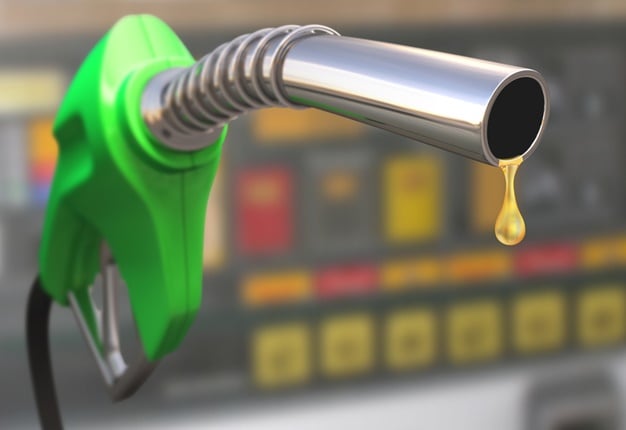

Fuel is the silent force that powers our world. From the hum of an engine to the flicker of a flame, energy stored in different forms is converted into motion, heat, and power. The journey from raw energy sources to usable motion is a fascinating process, one that blends science, engineering, and innovation. This transformation is not just technical but also cultural, shaping economies, industries, and daily lives.
The concept of fuel has evolved over centuries. Early humans relied on wood and biomass for warmth and cooking. The industrial revolution introduced coal, then oil, and later natural gas as primary energy sources. Today, we explore alternative fuels, from biofuels to hydrogen, driven by the need for sustainability and efficiency. Understanding how fuel becomes motion helps us appreciate the complexity behind even the simplest actions, like driving a car or flying an airplane.
Introduction & Background
Fuel is more than just a substance we pump into our vehicles or burn in our furnaces. It represents stored energy, waiting to be unleashed. The transformation of fuel into motion is a fundamental principle that underpins modern transportation, manufacturing, and energy production. Without this alchemy, the global economy would come to a standstill.
The significance of this process lies in its ubiquity. Every year, billions of tons of fuel are consumed worldwide. In 2022 alone, global oil consumption reached approximately 97 million barrels per day. This staggering figure highlights how deeply embedded fuel is in our daily lives. From the food we eat, grown with fuel-powered machinery, to the clothes we wear, made in factories powered by energy, fuel is the invisible thread weaving through modern society.
Moreover, the environmental impact of fuel use cannot be ignored. Burning fossil fuels releases greenhouse gases, contributing to climate change. This has spurred innovation in cleaner, renewable energy sources. Yet, even as we transition toward greener alternatives, traditional fuels remain dominant due to their energy density and reliability. Balancing efficiency, cost, and sustainability is the challenge of our time.
Concept & Overview
The alchemy of fuel refers to the process of converting stored chemical energy into mechanical motion or other forms of useful energy. This transformation occurs through combustion, electrochemical reactions, or mechanical processes, depending on the type of fuel and the technology used.
At its core, fuel contains energy that can be released. For example, gasoline contains hydrocarbons that, when ignited in an engine, undergo combustion. This reaction produces heat, which expands gases that push pistons, creating motion. Similarly, in electric vehicles, chemical energy stored in batteries is converted into electrical energy, which then powers motors to drive the wheels.
Key principles govern this transformation. The first is energy density, which measures how much energy a fuel can store per unit of volume or weight. Higher energy density fuels, like gasoline or diesel, can deliver more power for the same amount of space. The second principle is efficiency, which reflects how effectively fuel energy is converted into useful work. Internal combustion engines, for instance, typically convert only about 20 to 30 percent of their fuel’s energy into motion, with the rest lost as heat or friction.
Another critical concept is the fuel’s octane or cetane rating, which indicates its resistance to knocking in engines and its ignition quality. These ratings help engineers design engines that can operate smoothly and efficiently with specific fuels. Finally, the environmental footprint of a fuel, including emissions and resource depletion, plays an increasingly important role in fuel selection and technology development.
Key Features & Highlights
- Energy Density: Fuels like gasoline and diesel have high energy density, making them ideal for applications requiring compact, powerful energy sources. This is why they dominate transportation sectors.
- Combustion Efficiency: Modern engines are designed to optimize combustion, reducing waste and improving performance. Technologies like direct fuel injection and turbocharging enhance this efficiency.
- Environmental Impact: Fossil fuels release carbon dioxide and other pollutants, driving research into cleaner alternatives such as biofuels, hydrogen, and synthetic fuels.
- Storage and Transport: Liquid fuels are easier to store and transport compared to gaseous fuels, which require pressurized tanks and specialized infrastructure.
- Renewability: Biofuels, derived from organic materials, offer a renewable alternative to finite fossil fuels. However, their production must be sustainable to avoid competing with food resources or causing deforestation.
- Cost and Accessibility: The cost of fuel depends on extraction, refining, distribution, and geopolitical factors. Accessibility varies globally, influencing energy security and economic stability.
- Technology Integration: Advances in fuel technology, such as hybrid systems and fuel cells, are enabling more efficient and cleaner energy conversion processes.
Frequently Asked Questions / Pros & Cons
What is the difference between fossil fuels and renewable fuels?
Fossil fuels, such as coal, oil, and natural gas, are formed from ancient organic matter over millions of years. They are finite resources and, when burned, release carbon dioxide and other pollutants. Renewable fuels, like biofuels and hydrogen, are derived from sources that can be replenished relatively quickly, such as plants or water. They generally produce fewer emissions but may have lower energy density or higher production costs.
How efficient are internal combustion engines compared to electric motors?
Internal combustion engines typically convert 20 to 30 percent of their fuel’s chemical energy into motion. The rest is lost as heat, friction, or exhaust. Electric motors, on the other hand, can achieve efficiencies of 80 to 90 percent. This is why electric vehicles are more energy-efficient and produce fewer emissions per mile, even when accounting for the source of electricity.
What are the environmental benefits of using biofuels?
Biofuels, such as ethanol and biodiesel, can reduce greenhouse gas emissions compared to fossil fuels. They are considered carbon-neutral because the carbon dioxide released during combustion is offset by the carbon dioxide absorbed by the plants during growth. Additionally, biofuels can reduce dependence on imported oil and support agricultural economies. However, their environmental benefits depend on sustainable production practices to avoid deforestation, soil degradation, or competition with food crops.
Why is hydrogen often called a clean fuel?
Hydrogen is called a clean fuel because when it is used in a fuel cell to produce electricity, the only byproducts are water and heat. No carbon dioxide or other greenhouse gases are emitted. However, the production of hydrogen itself can be energy-intensive and may rely on fossil fuels if not powered by renewable energy sources. When produced using renewable electricity, hydrogen is considered a truly clean and sustainable fuel.
What challenges do alternative fuels face in becoming mainstream?
Alternative fuels face several challenges, including higher production costs, limited infrastructure for distribution and refueling, and lower energy density compared to fossil fuels. For example, electric vehicles require widespread charging stations, and hydrogen vehicles need a network of hydrogen refueling stations. Additionally, consumer acceptance and government policies play critical roles in driving adoption. Despite these challenges, investment and innovation continue to advance the viability of alternative fuels.
Practical Guidance & Solutions
For individuals and businesses looking to embrace more efficient or sustainable fuel solutions, several actionable steps can be taken. First, consider upgrading to more fuel-efficient vehicles or modes of transport. Hybrid and electric vehicles offer significant savings in fuel costs and emissions over time, even with a higher upfront price. For fleets, adopting telematics and route optimization software can reduce fuel consumption by identifying inefficient driving habits or unnecessary idling.
On an industrial level, companies can invest in combined heat and power systems, which use waste heat from electricity generation for heating or other processes, improving overall energy efficiency. Switching to high-efficiency boilers or furnaces can also reduce fuel consumption while maintaining performance. For those in agriculture, exploring biofuels made from crop residues or energy crops can lower dependence on diesel while supporting local economies.
Governments and policymakers play a crucial role in accelerating the transition to cleaner fuels. Incentives such as tax credits for electric vehicle purchases, grants for renewable fuel infrastructure, and regulations that cap emissions can drive change. Public education campaigns can also raise awareness about the benefits of alternative fuels and energy conservation practices, fostering a culture of sustainability.
Finally, supporting research and development in fuel technology is vital. Whether through funding for universities, partnerships with private companies, or participation in industry consortia, collective action can overcome technical and economic barriers. By taking these practical steps, we can make meaningful progress toward a more efficient, cleaner energy future.
Conclusion
The alchemy of fuel is a testament to human ingenuity and our relentless pursuit of progress. What begins as a raw material beneath the earth or a living organism is transformed through science and engineering into the motion that powers our world. This journey, from energy to motion, is not just a technical process but a story of adaptation, innovation, and responsibility.
As we stand at the crossroads of energy transition, the choices we make today will shape the landscape of tomorrow. Embracing cleaner, more efficient fuels is not merely an environmental imperative but an opportunity to redefine how we power our lives. Whether through electric vehicles, biofuels, or emerging technologies like hydrogen, the future of fuel promises to be as dynamic and transformative as its past.
The alchemy of fuel is far from over. It is evolving, challenging us to think differently, act responsibly, and innovate continuously. As consumers, engineers, and global citizens, we hold the power to turn this energy into a force for good, ensuring that the motion we create today does not come at the cost of tomorrow. In the end, fuel is more than a resource. It is a catalyst for change, a bridge between the past and the future, and a reminder of our capacity to shape the world through knowledge and action.