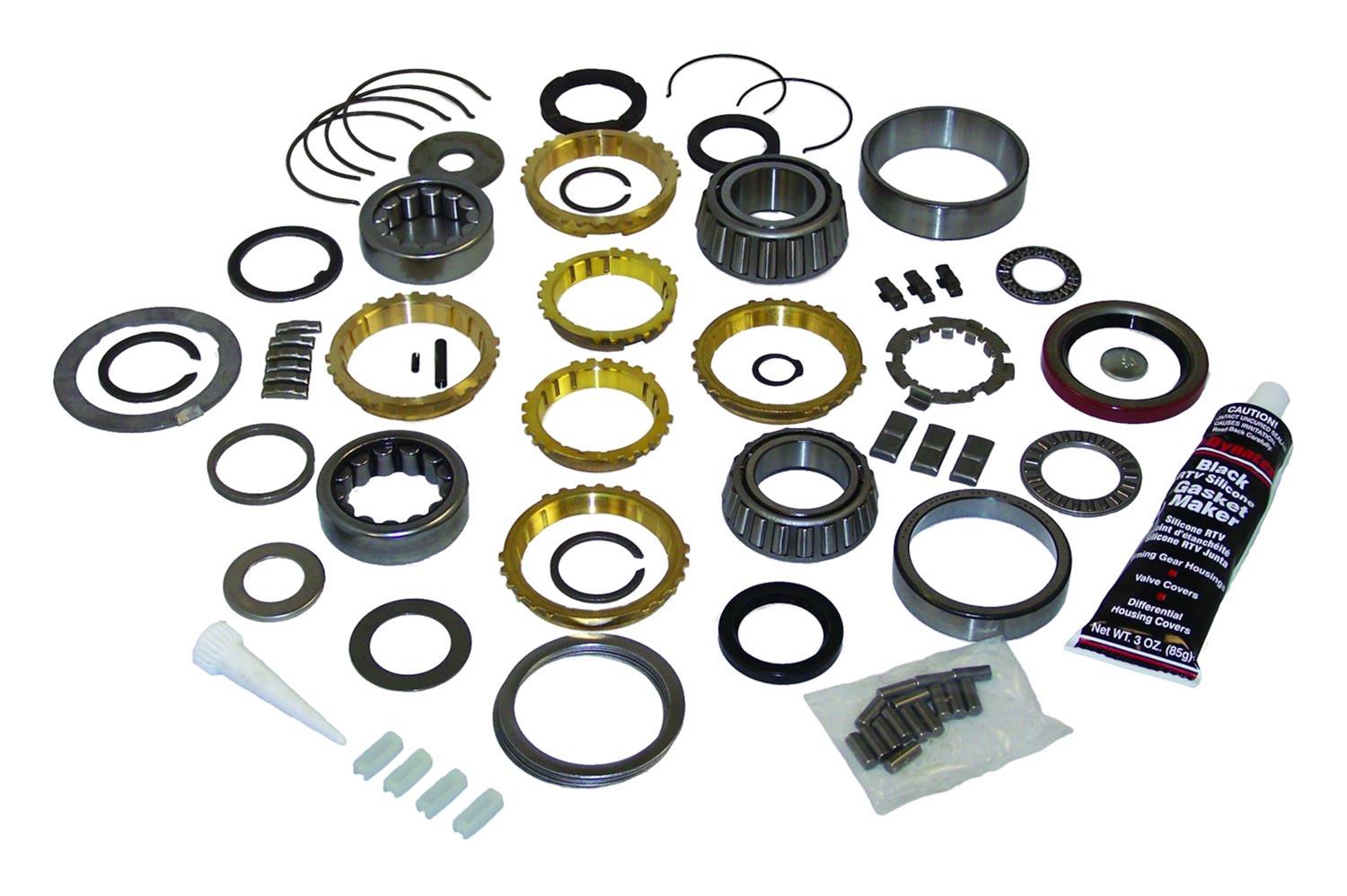

Your vehicle’s transmission is a marvel of mechanical precision, smoothly transferring power from the engine to the wheels. However, like any intricate system, it requires proper care to function optimally. One of the most crucial aspects of transmission maintenance is knowing when to perform a scheduled fluid change. Ignoring this essential step can lead to sluggish shifting, increased wear, and costly repairs.
The Role of Transmission Fluid
Transmission fluid is more than just a lubricant—it’s the lifeblood of your transmission system. It keeps moving parts cool, reduces friction, and ensures seamless gear shifts. Over time, however, this fluid degrades, losing its ability to maintain lubrication quality. Heat, contaminants, and oxidation break down its protective properties, leading to inefficient performance and potential damage.
Signs It’s Time for a Fluid Replacement
Unlike engine oil, transmission fluid doesn’t need to be changed as frequently. However, neglecting it for too long can result in severe transmission issues. Here are some telltale signs that a timely fluid replacement is due:
1. Discolored or Burnt-Smelling Fluid
Healthy transmission fluid is typically bright red or pink, with a slightly sweet scent. If your fluid appears dark brown or has a burnt odor, it’s a clear indication that it has deteriorated and is no longer providing adequate protection.
2. Slipping Gears or Hesitation
When transmission fluid loses its viscosity and protective qualities, your vehicle may struggle to stay in gear. If you experience erratic shifting, delayed acceleration, or slipping between gears, it’s time to monitor fluid condition and consider a replacement.
3. Strange Noises
A well-lubricated transmission should operate almost silently. If you hear whining, grinding, or clunking sounds when shifting, it could mean that your transmission fluid has lost its effectiveness and isn’t cushioning internal components properly.
4. Overheating Transmission
Heat is the enemy of any transmission. If your vehicle frequently overheats or you notice a transmission temperature warning light on your dashboard, degraded fluid could be to blame. A scheduled fluid change can help dissipate heat more effectively and prevent long-term damage.
5. Difficulty in Shifting Gears
Whether you drive a manual or automatic vehicle, struggling to engage gears is a red flag. Contaminated or low fluid levels can cause sluggish gear shifts or a complete failure to shift.
How Often Should You Replace Transmission Fluid?
There isn’t a universal mileage recommendation for timely fluid replacement, as it depends on factors like your driving habits, transmission type, and manufacturer guidelines. However, here are some general guidelines:
- Automatic Transmissions: Many manufacturers suggest replacing the fluid every 30,000 to 60,000 miles, though some modern vehicles can go up to 100,000 miles with synthetic fluids.
- Manual Transmissions: Manual gearboxes typically require fluid replacement every 30,000 to 50,000 miles, depending on usage conditions.
- Severe Driving Conditions: If you frequently tow heavy loads, drive in stop-and-go traffic, or operate in extreme temperatures, you may need to change your fluid more frequently.
Always check your owner’s manual for the recommended interval and follow a proactive approach to monitor fluid condition.
DIY vs. Professional Fluid Change
While some vehicle owners prefer to change their own transmission fluid, it’s important to understand the complexity involved.
DIY Fluid Replacement
For mechanically inclined individuals, replacing transmission fluid at home can save money. The process typically involves draining old fluid, replacing the filter (if applicable), and refilling with fresh fluid. However, ensuring you use the correct fluid type and quantity is essential to avoid transmission issues.
Professional Service
Many modern vehicles use sealed transmissions, requiring specialized equipment to perform a proper scheduled fluid change. A professional technician can conduct a full transmission flush, replacing old fluid and removing debris from the system. This ensures maintain lubrication quality and optimal performance.
Preventative Maintenance Tips
Keeping up with transmission fluid changes is just one part of maintaining a healthy transmission. Here are some additional steps to extend its lifespan:
- Regularly inspect fluid levels and condition – Check for discoloration, burnt smells, or low levels.
- Use manufacturer-recommended fluid – Using the wrong fluid can cause poor performance and internal damage.
- Avoid aggressive driving – Sudden acceleration and hard braking put unnecessary strain on the transmission.
- Address leaks immediately – Low fluid levels can lead to overheating and premature wear.
Your transmission is a sophisticated system that requires proper care to function efficiently. By staying proactive with monitor fluid condition, adhering to a scheduled fluid change, and ensuring timely fluid replacement, you can extend the life of your transmission and avoid costly repairs. Prioritizing maintain lubrication quality is a small but crucial step toward keeping your vehicle running smoothly for years to come.