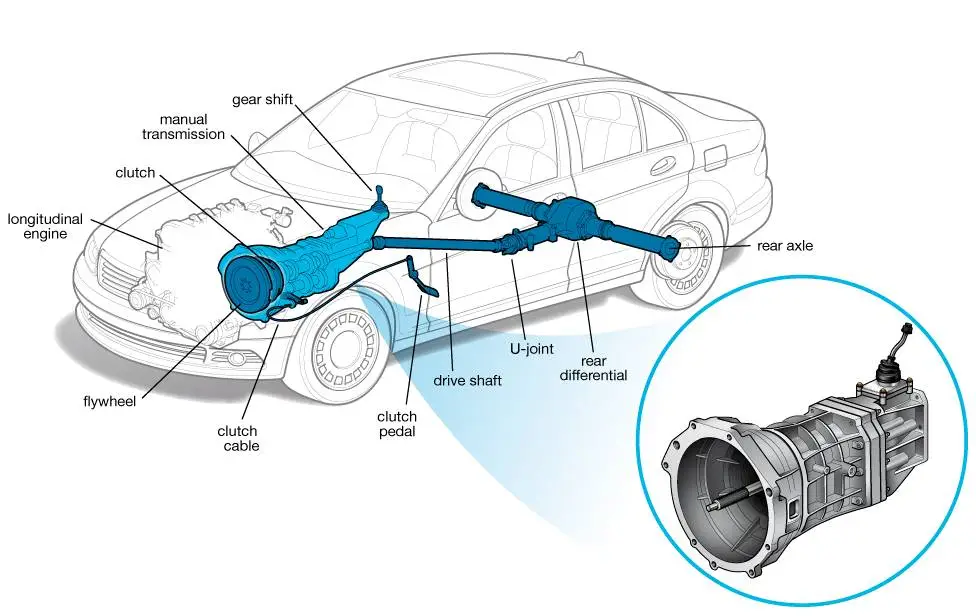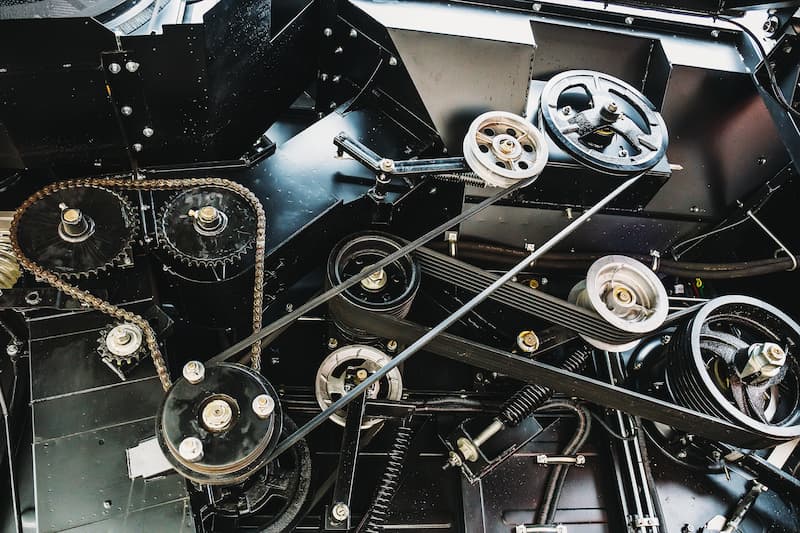

A healthy transmission is crucial for a smooth and reliable driving experience. When problems arise, they can manifest as rough shifting, unusual noises, or even a complete failure to engage gears. Knowing how to diagnose gear problems early can save you from costly repairs and unexpected breakdowns. Understanding the symptoms of transmission trouble is the first step toward effective troubleshooting.
Recognizing the Warning Signs
Transmission issues rarely appear out of nowhere. Most problems develop gradually, giving off subtle warning signals before escalating into major failures. Here are some common indicators that your transmission may need attention:
- Delayed Gear Engagement: If your car hesitates before shifting into drive or reverse, your transmission fluid may be low or contaminated.
- Slipping Gears: A vehicle that unexpectedly changes gears or struggles to maintain speed often has worn-out transmission components.
- Unusual Noises: Grinding, whining, or clunking sounds while shifting suggest mechanical wear or fluid-related issues.
- Burning Smell: Overheated transmission fluid can create a burnt odor, signaling the need for immediate inspection.
- Check Engine Light Activation: Modern vehicles use sensors to monitor transmission health. If the check engine light turns on, a system error check is necessary to pinpoint the issue.
How to Diagnose Gear Problems
Pinpointing the root cause of transmission trouble requires a systematic approach. Start with these essential diagnostic steps:
1. Check the Transmission Fluid
Transmission fluid plays a crucial role in lubricating components, reducing heat, and ensuring smooth gear shifts. If the fluid is low, dirty, or burnt, it can cause performance issues.
- Locate the transmission dipstick (if your vehicle has one).
- Inspect the fluid’s color and consistency. Healthy fluid is bright red and has a slightly sweet smell. Dark, gritty, or burnt-smelling fluid signals trouble.
- If fluid levels are low, check for leaks under the vehicle. Transmission leaks can stem from a worn gasket, loose seals, or a damaged pan.
2. Monitor Shifting Patterns
Observing how your vehicle shifts can help you identify shifting faults before they become severe. Pay attention to:
- Hard shifts that feel abrupt or jerky.
- Sluggish response when changing gears.
- High engine RPMs without a corresponding increase in speed (a sign of slipping).
If you notice these symptoms, your transmission may require recalibration, a fluid change, or internal repairs.
3. Perform a System Error Check
Many modern vehicles are equipped with an onboard diagnostic (OBD-II) system that stores trouble codes related to transmission performance. Using a diagnostic scanner, you can retrieve these codes and get insights into potential malfunctions.
- Plug the scanner into the OBD-II port (typically located under the dashboard).
- Read the trouble codes and cross-reference them with your vehicle’s manual or online resources.
- Some common transmission-related codes include P0700 (transmission control system malfunction) and P0730 (incorrect gear ratio).
Addressing these error codes promptly can prevent minor issues from escalating into costly repairs.
How to Identify Shifting Faults
Not all shifting problems are caused by internal transmission failures. Several external factors can also contribute to shifting difficulties.
- Low Fluid Pressure: A faulty transmission pump or clogged filter can disrupt hydraulic pressure, leading to erratic shifts.
- Electronic Malfunctions: Modern transmissions rely on sensors and solenoids to regulate gear changes. A failing sensor can cause unpredictable shifting behavior.
- Torque Converter Issues: A failing torque converter may produce shuddering, slipping, or delayed engagement.
Understanding these external influences can help you make informed decisions about repairs and maintenance.
Steps to Troubleshoot Transmission Anomalies
Once you’ve identified the symptoms and possible causes, it’s time to take action. Here’s how to troubleshoot transmission anomalies effectively:
1. Flush or Replace Transmission Fluid
Old or contaminated fluid can lead to overheating, slipping, and rough shifting. If the fluid appears degraded, a transmission fluid change or flush can restore proper function.
2. Inspect and Replace the Transmission Filter
A clogged filter restricts fluid flow, leading to poor performance. If your vehicle has a serviceable filter, replacing it can prevent further damage.
3. Adjust or Replace the Clutch (Manual Transmissions Only)
Manual transmissions rely on a clutch for smooth shifting. A worn-out clutch can cause difficulty engaging gears. If your clutch pedal feels spongy or requires excessive force, it may be time for an adjustment or replacement.
4. Reset the Transmission Control Module (TCM)
Sometimes, electronic glitches cause erratic shifting. Disconnecting the battery for 10-15 minutes or using a diagnostic tool to reset the TCM can resolve software-related transmission issues.
5. Seek Professional Help for Persistent Issues
If troubleshooting efforts don’t resolve the problem, consult a transmission specialist. Early intervention can prevent small problems from turning into full-blown transmission failure.
Preventative Maintenance for Long-Term Reliability
Regular maintenance is the key to avoiding transmission troubles. Consider these best practices:
- Schedule Fluid Changes: Follow your manufacturer’s recommended service intervals to keep fluid fresh and free of contaminants.
- Check for Leaks Periodically: Addressing small leaks early prevents fluid loss and potential transmission damage.
- Drive Smoothly: Avoid aggressive acceleration and abrupt gear changes, as these can strain the transmission.
By taking a proactive approach to maintenance, you can extend the life of your transmission and enjoy a smooth, trouble-free driving experience.
Understanding how to diagnose gear problems, identify shifting faults, and conduct a system error check will help you address transmission issues before they become major headaches. By taking swift action to troubleshoot transmission anomalies, you can keep your vehicle running smoothly and avoid costly repairs down the road. A little attention today can go a long way in preserving your transmission’s performance for years to come.