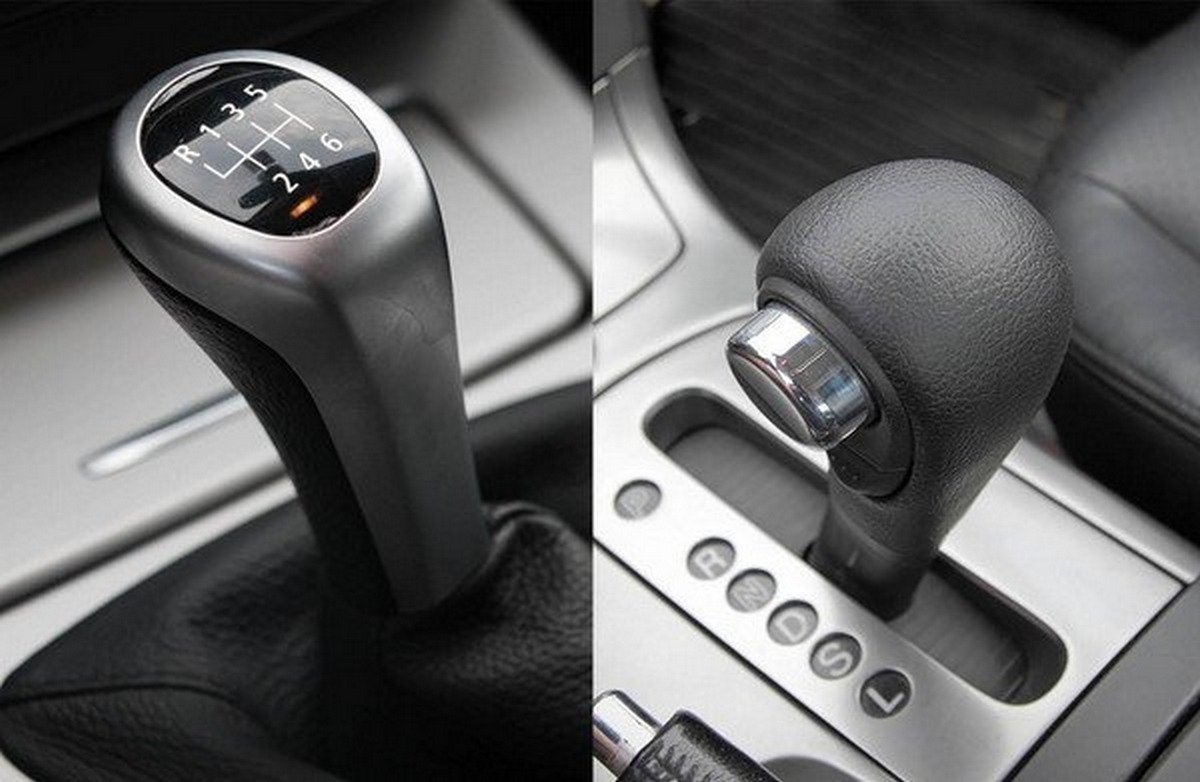

Your car’s transmission is the unsung hero of smooth driving. It seamlessly shifts gears, transfers power, and keeps everything running efficiently. But like any hardworking component, it can develop issues over time. The key to avoiding costly repairs and breakdowns is to identify transmission issues early and take action before they escalate.
Ignoring warning signs can lead to extensive damage, unsafe driving conditions, and expensive fixes. Here are the top transmission problems you should never overlook.
1. Slipping Gears – A Sign of Trouble
Your transmission is designed to stay in the selected gear until you decide to change it. If you notice your car unexpectedly slipping in and out of gears, it’s a red flag.
- This issue may feel like a sudden loss of power while driving.
- The engine might rev without a corresponding increase in speed.
- It could be caused by low transmission fluid, worn clutch plates, or failing internal components.
Slipping gears compromise your vehicle’s performance and can be dangerous in traffic. Taking swift action will address shifting problems before they get worse.
2. Delayed or Rough Gear Changes
A healthy transmission should shift gears smoothly and quickly. If there’s a noticeable delay or a jarring transition between gears, trouble could be brewing.
- Hesitation when shifting from park to drive or reverse can indicate fluid issues or mechanical wear.
- Hard shifts, where the car jerks or lurches, suggest internal damage.
- Unusual vibrations or resistance when shifting gears are also warning signs.
Don’t wait for the problem to worsen—early fault detection can save you from major repairs.
3. Strange Noises – A Cry for Help
Unusual sounds coming from your transmission are never a good sign. If you hear grinding, whining, or clunking noises, pay attention.
- A whining sound might indicate a failing torque converter.
- Grinding noises often suggest worn-out gears or synchronizers.
- Clunking sounds when shifting gears could be due to damaged mounts or internal transmission problems.
Ignoring these sounds can prevent major damage and keep your transmission in optimal condition.
4. Transmission Fluid Leaks
Transmission fluid is vital for keeping gears lubricated and preventing overheating. Unlike motor oil, it doesn’t burn off, so if your fluid level is low, there’s likely a leak.
- Check for red or brown puddles under your car.
- Low fluid levels can cause overheating and erratic shifting.
- Leaks can come from seals, gaskets, or the transmission pan.
Catching a leak early helps identify transmission issues before they lead to complete failure.
5. Overheating Transmission – A Costly Mistake
Excessive heat is a transmission’s worst enemy. If your car starts to overheat, your transmission could be at risk of severe damage.
- Warning signs include a burning smell or warning lights on the dashboard.
- Overheating often results from low or dirty transmission fluid.
- Towing heavy loads without proper cooling can also lead to overheating.
Taking preventive measures will prevent major damage and keep your transmission running efficiently.
6. Unresponsive Transmission – A Silent Failure
When your transmission fails to engage, your car won’t move properly. You may notice:
- Pressing the gas but experiencing sluggish acceleration.
- The engine revving, but the car not responding as expected.
- A failure to shift into certain gears.
This could be caused by a faulty sensor, a malfunctioning clutch, or serious internal damage. Early fault detection can prevent a complete breakdown.
7. Check Engine Light – Don’t Ignore It
Many drivers assume the check engine light only relates to engine problems, but it also signals transmission trouble.
- A diagnostic scan can reveal transmission-related error codes.
- Ignoring it can lead to more extensive damage over time.
- Addressing the issue promptly can save you from costly repairs.
Staying proactive will help identify transmission issues before they lead to major malfunctions.
8. Shuddering or Jerking While Driving
If your car feels like it’s shaking or jerking during acceleration, your transmission may be struggling.
- This can happen in both automatic and manual transmissions.
- It may be due to torque converter issues, dirty fluid, or internal wear.
- A smooth ride should not include unpredictable vibrations.
Quick intervention can address shifting problems and restore smooth performance.
9. Fluid Contamination – A Silent Killer
Clean transmission fluid should be bright red and have a slightly sweet odor. If it turns dark brown or smells burnt, it’s time for a change.
- Contaminated fluid can lead to overheating and gear slippage.
- Metal shavings in the fluid signal internal damage.
- Flushing old fluid can prevent premature transmission failure.
Routine maintenance ensures early fault detection and prolongs your transmission’s life.
10. Complete Transmission Failure – The Worst-Case Scenario
If your car refuses to move at all, your transmission might have completely failed.
- This is often the result of ignoring earlier warning signs.
- A complete rebuild or replacement may be required.
- Prevention is always more affordable than a full replacement.
Catching problems early can prevent major damage and keep your car running smoothly.
Final Thoughts
Your transmission is a critical part of your vehicle’s performance. Recognizing and addressing warning signs early can save you time, money, and frustration. Whether it’s fluid leaks, slipping gears, or strange noises, don’t ignore the symptoms.
By prioritizing early fault detection, you can address shifting problems before they escalate, identify transmission issues before they turn into costly repairs, and ultimately prevent major damage to your vehicle. Stay proactive, listen to your car, and ensure your transmission remains in peak condition for miles to come.