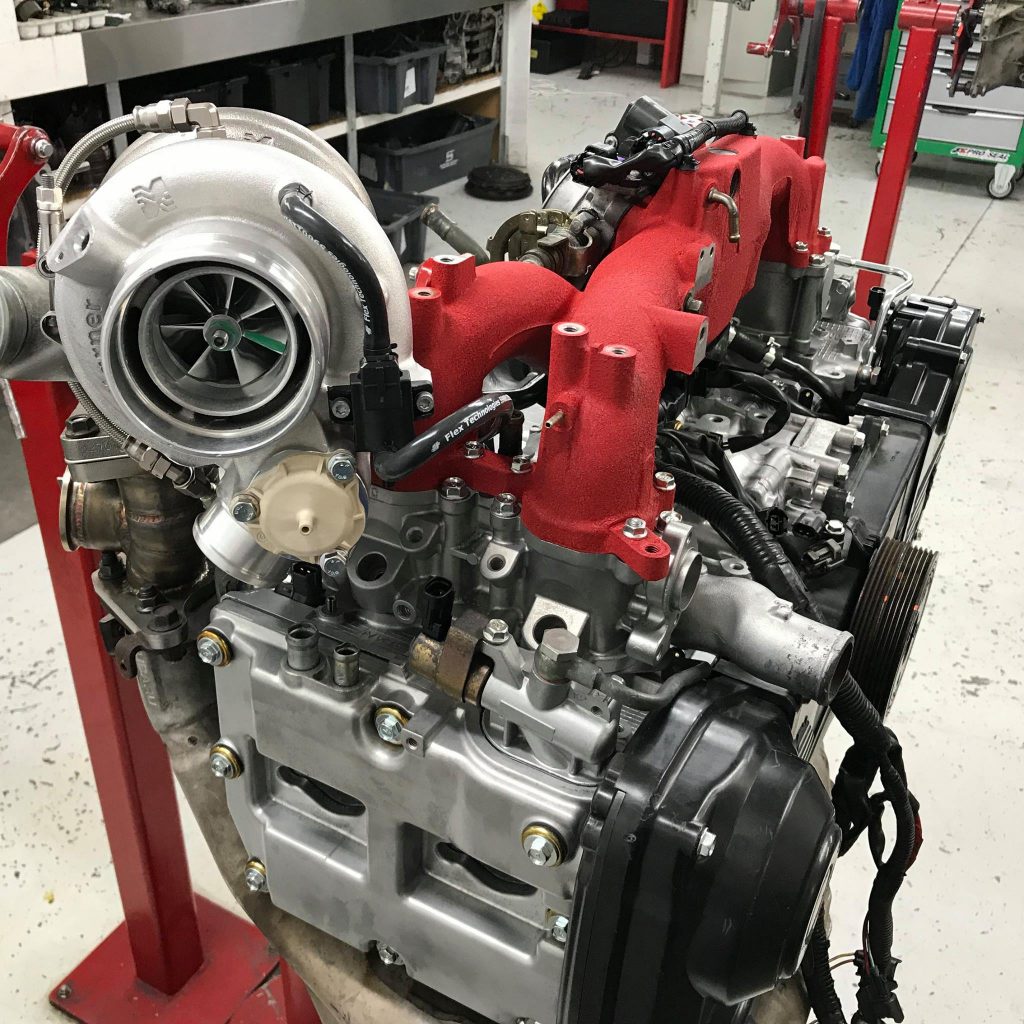

A car’s engine is its beating heart, and like any hardworking machine, it sometimes encounters hiccups. Whether it’s a rough idle, loss of power, or strange noises, diagnosing engine issues doesn’t always require a trip to the mechanic. With a little know-how and the right approach, you can tackle simple engine fixes on your own.
This guide breaks down easy engine troubleshooting, helping you identify common problems and apply quick engine repairs without breaking a sweat.
1. Engine Won’t Start – What’s Wrong?
Few things are more frustrating than turning the key (or pressing the start button) only to be met with silence or a weak crank. This issue can stem from several sources:
- Dead Battery: If the lights, radio, or dashboard indicators aren’t turning on, your battery might need a jump-start or replacement.
- Faulty Starter Motor: If you hear a clicking sound but the engine doesn’t turn over, the starter motor may be failing.
- Bad Ignition Switch: A worn-out ignition switch can prevent power from reaching the engine.
- Fuel System Problems: A clogged fuel filter or failing fuel pump can starve the engine of gas, keeping it from starting.
DIY Engine Solutions:
- Check and clean battery terminals for corrosion.
- Try jump-starting the car with another vehicle.
- Tap the starter lightly with a wrench to see if it engages.
- Ensure there’s enough fuel and listen for the fuel pump when you turn the key.
2. Rough Idling and Stalling – Why Is Your Engine Unstable?
If your car shakes or stalls at stoplights, an imbalance in the air-fuel mixture could be to blame. Potential culprits include:
- Dirty or Faulty Spark Plugs: Worn-out spark plugs cause misfiring and rough idling.
- Vacuum Leaks: A disconnected or cracked vacuum hose disrupts the engine’s airflow.
- Faulty Mass Airflow Sensor (MAF): This sensor helps regulate air intake. If dirty or failing, it can cause erratic idling.
Quick Engine Repairs:
- Replace old spark plugs and ignition coils for smoother operation.
- Inspect vacuum hoses for cracks and reattach any loose ones.
- Clean the MAF sensor using specialized cleaner to restore proper airflow readings.
3. Loss of Power – Struggling to Accelerate?
If your car hesitates or struggles to gain speed, it’s often a sign of fuel delivery or air intake issues. Common reasons include:
- Clogged Air Filter: A dirty air filter restricts airflow, reducing engine efficiency.
- Blocked Fuel Injectors: Over time, fuel injectors can accumulate gunk, limiting proper fuel delivery.
- Failing Catalytic Converter: A clogged catalytic converter prevents exhaust gases from escaping, choking engine performance.
Simple Engine Fixes:
- Replace the air filter every 12,000-15,000 miles to maintain optimal airflow.
- Use fuel injector cleaner regularly to prevent buildup.
- If the catalytic converter is clogged, professional cleaning or replacement may be needed.
4. Overheating – What’s Causing the Temperature Spike?
An overheating engine is a serious issue that requires immediate attention. The most common causes include:
- Low Coolant Levels: Insufficient coolant prevents proper heat dissipation.
- Broken Thermostat: A faulty thermostat fails to regulate coolant flow.
- Radiator Issues: Leaks, blockages, or fan malfunctions can cause the engine to overheat.
DIY Engine Solutions:
- Check and top off coolant levels (ensure the engine is cool before opening the radiator cap).
- Inspect radiator hoses for leaks and tighten loose clamps.
- If overheating persists, the thermostat or radiator fan may need replacement.
5. Unusual Noises – What’s That Sound?
Your engine shouldn’t sound like a percussion band. Here’s what different noises might indicate:
- Knocking or Pinging: Often caused by low-octane fuel or timing issues.
- Squealing: Worn-out serpentine belts or tensioner issues can produce a high-pitched sound.
- Hissing: A vacuum or coolant leak might be causing an air or steam escape.
Quick Engine Repairs:
- Use the manufacturer-recommended fuel grade to prevent knocking.
- Replace worn-out belts before they snap and cause further damage.
- Inspect hoses and gaskets for leaks and replace if necessary.
6. Check Engine Light – Friend or Foe?
A glowing check engine light can indicate anything from a minor issue to a significant malfunction. Common triggers include:
- Loose Gas Cap: One of the simplest fixes—tighten the cap to prevent fuel vapor leaks.
- Oxygen Sensor Failure: A faulty O2 sensor affects fuel efficiency and emissions.
- Catalytic Converter Issues: A clogged converter triggers the warning light.
Easy Engine Troubleshooting:
- Use an OBD-II scanner to read error codes and pinpoint the problem.
- If it’s a minor issue, resetting the system may turn off the light.
- If the light flashes, it signals a severe issue requiring immediate attention.
Final Thoughts
Keeping your engine in top shape doesn’t have to be overwhelming. With basic knowledge and some simple engine fixes, you can handle common problems and avoid costly repairs. By applying quick engine repairs and staying proactive with easy engine troubleshooting, you ensure your vehicle runs smoothly for years to come.
When in doubt, don’t hesitate to consult a professional. But for many everyday engine troubles, a little DIY effort goes a long way!