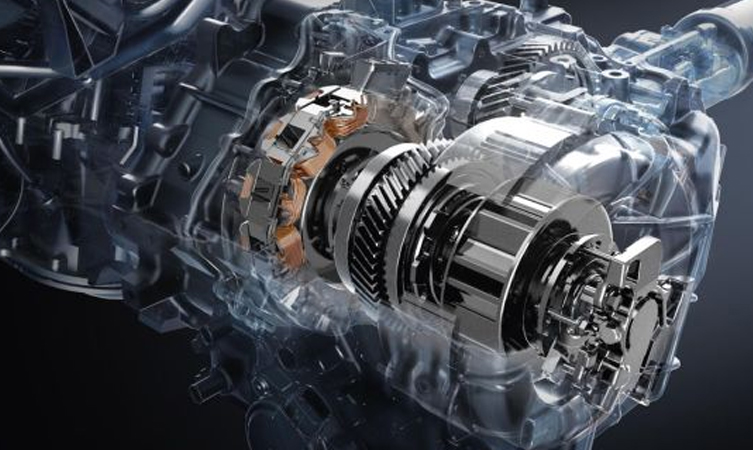

A seamless driving experience depends on one crucial yet often overlooked component: the transmission. Whether automatic or manual, a well-functioning gearbox ensures effortless power transfer, minimal energy loss, and enhanced vehicle longevity. Achieving this level of precision isn’t accidental—it’s the result of meticulous transmission engineering principles, cutting-edge mechanics, and material science working in harmony.
The Core Mechanics Behind Smooth Shifting
Every transmission, whether in a family sedan or a high-performance sports car, operates on fundamental mechanical laws. The key lies in how power flows from the engine to the wheels while minimizing interruptions.
- Torque Conversion Efficiency: A transmission’s primary job is to regulate torque to match driving conditions. Automatic transmissions rely on a torque converter, while manuals use a clutch system to engage and disengage power.
- Gear Ratios and Load Management: Lower gears provide higher torque for acceleration, while higher gears ensure fuel efficiency at cruising speeds. Maintaining an optimal ratio reduces stress on internal components.
- Synchronizers and Friction Management: In manual gearboxes, synchronizers use friction to equalize gear speeds before engagement, ensuring smooth transitions without grinding.
The combination of these elements forms the foundation of mechanics behind smoothness, ensuring that gear shifts feel effortless rather than jarring.
Transmission Engineering Principles in Action
Behind every modern transmission lies an intricate balance of physics and engineering innovation. Advances in metallurgy, lubrication, and electronic controls have revolutionized how vehicles shift gears.
- Material Science in Gears: High-strength alloys and precision-machined components reduce wear and improve durability. Heat-treated steel and advanced coatings minimize friction and extend lifespan.
- Fluid Dynamics and Cooling: Transmission fluid isn’t just a lubricant—it’s an active participant in heat dissipation and hydraulic pressure regulation. Proper fluid viscosity ensures scientific shift optimization, reducing delays and improving performance.
- Adaptive Learning Systems: Modern automatic transmissions feature electronic control units (ECUs) that adapt shift timing based on driving behavior. This real-time adjustment enhances fuel economy and driver comfort.
By applying these transmission engineering principles, manufacturers create gear systems that not only last longer but also provide a refined driving experience.
The Science of Advanced Gear Dynamics
Beyond conventional mechanics, advanced gear dynamics play a crucial role in achieving effortless shifts. Engineers employ computational models, real-world testing, and even AI-driven simulations to refine transmission design.
- Hydraulic vs. Dual-Clutch Systems: Traditional automatics use hydraulic pressure for gear changes, while dual-clutch transmissions (DCTs) pre-select gears for near-instantaneous shifts. The latter improves acceleration without sacrificing efficiency.
- Electronically Controlled Lock-Up Clutches: These systems reduce energy loss by locking the torque converter when cruising, eliminating unnecessary slippage and boosting fuel efficiency.
- Precision Gear Tooth Design: Engineers refine gear teeth profiles to reduce noise, vibration, and harshness (NVH). Optimized engagement angles allow for smoother transitions between gears.
These innovations ensure scientific shift optimization, making modern transmissions more responsive, efficient, and enjoyable to drive.
What Makes a Transmission Feel Smooth?
A vehicle’s transmission isn’t just about mechanics—it’s also about driver perception. The sensation of smoothness is influenced by several key factors:
- Seamless Power Delivery: A well-tuned transmission minimizes hesitation, ensuring continuous acceleration without jerks or lag.
- Intelligent Shift Logic: Advanced ECUs analyze throttle input, road conditions, and engine load to select the perfect shift timing.
- Reduced Shift Shock: Carefully calibrated gear changes prevent abrupt transitions, improving ride comfort.
By refining mechanics behind smoothness, engineers ensure that shifting feels natural and responsive, enhancing the overall driving experience.
The Future of Transmission Technology
With rapid advancements in automotive technology, the future of transmissions looks even more promising. Innovations such as continuously variable transmissions (CVTs), multi-speed gearboxes, and electric vehicle reduction drives are reshaping the industry.
- CVTs for Infinite Ratios: By eliminating fixed gears, CVTs provide a continuous range of ratios, optimizing efficiency and eliminating shift delays.
- 10-Speed and Beyond: High-speed transmissions maximize fuel efficiency and performance, ensuring the engine operates in its optimal powerband at all times.
- Integration with Electric Powertrains: Electric vehicles use single-speed reduction gears, but research into multi-speed electric transmissions promises better efficiency and acceleration control.
As advanced gear dynamics continue to evolve, the next generation of transmissions will push the boundaries of efficiency, smoothness, and performance.
A well-designed transmission is more than just a collection of gears—it’s a finely tuned symphony of physics, engineering, and technological innovation. Through transmission engineering principles, manufacturers create drivetrains that provide seamless acceleration, responsive shifts, and long-term reliability. By understanding scientific shift optimization, optimizing mechanics behind smoothness, and leveraging advanced gear dynamics, the automotive industry continues to refine the art of transmission design. Whether you’re driving a manual sports car or an AI-assisted automatic, the science behind smooth shifting is what keeps every ride effortless and exhilarating.