
The automotive industry is experiencing a rapid transformation, with cutting-edge advancements shaping how vehicles perform, consume energy, and respond to driver inputs. At the heart of this evolution lies advanced transmission systems, which are redefining efficiency, durability, and driving dynamics. As manufacturers embrace electrification, artificial intelligence, and smart automation, the future of transmissions looks more sophisticated than ever.
The Evolution of Transmission Technology
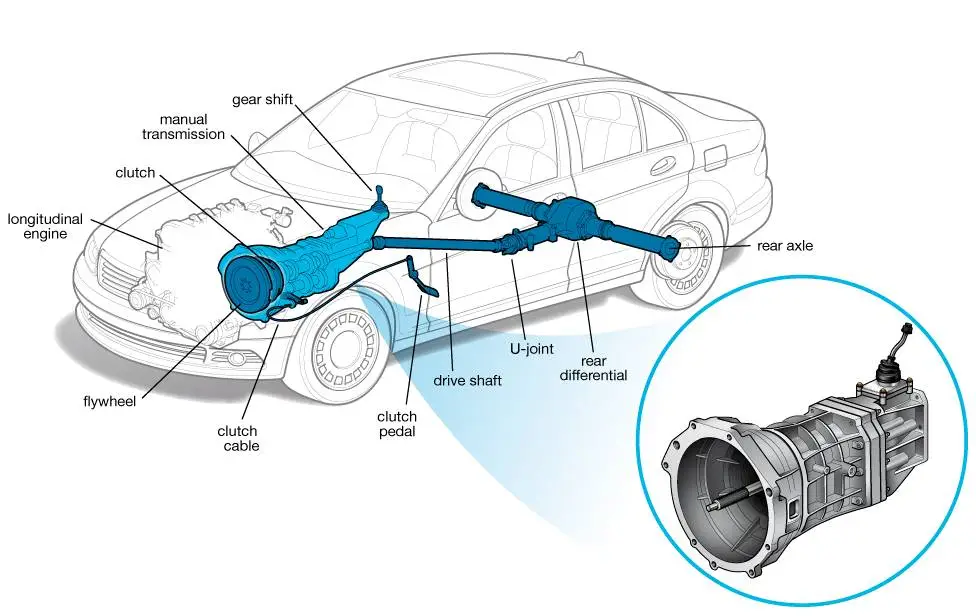
Traditional transmissions have come a long way from the days of manual gearboxes and rudimentary automatics. Today’s vehicles boast sophisticated innovative gear designs, offering a seamless balance between performance and fuel economy.
- Manual transmissions, once dominant, have become niche, favored by driving enthusiasts for their tactile engagement.
- Automatic transmissions have transitioned from basic three-speed configurations to complex multi-speed units with unparalleled precision.
- Continuously Variable Transmissions (CVTs) and Dual-Clutch Transmissions (DCTs) are optimizing power delivery while maximizing efficiency.
The next step? Futuristic shifting technology that adapts to driving conditions in real time.
AI-Driven Transmissions: Smarter Than Ever
One of the most exciting developments in next-generation transmissions is the integration of artificial intelligence (AI). AI-powered transmissions analyze road conditions, driver habits, and vehicle performance to make predictive adjustments.
- Adaptive algorithms fine-tune gear shifts for optimal fuel economy and acceleration.
- AI-driven software learns from driving patterns, customizing shifting behavior for individual users.
- Predictive maintenance features monitor wear and tear, alerting drivers before transmission issues arise.
With machine learning capabilities embedded in advanced transmission systems, cars are becoming more intuitive and responsive than ever.
Electrification and the End of Traditional Gears
As electric vehicles (EVs) gain momentum, traditional multi-speed transmissions may become obsolete. Unlike internal combustion engines, electric motors deliver instantaneous torque, eliminating the need for complex gearboxes.
- Many EVs use single-speed transmissions, reducing mechanical complexity.
- Some high-performance models incorporate innovative gear designs to enhance acceleration and efficiency.
- Future hybrid drivetrains may feature adaptable multi-speed e-transmissions for improved range and power distribution.
The transition to electrified propulsion is reshaping how transmissions function, paving the way for futuristic shifting technology that prioritizes simplicity and durability.
Ultra-Efficient Automatic Transmissions
While electric powertrains are gaining ground, internal combustion engines (ICEs) still dominate the market. In response, manufacturers are refining automatic transmissions to maximize efficiency.
- 9-speed, 10-speed, and even 12-speed transmissions are pushing fuel economy to new heights.
- Intelligent shift mapping minimizes energy loss by selecting the ideal gear for every situation.
- Hybrid-specific transmissions seamlessly integrate electric and gasoline power sources.
These next-generation transmissions are engineered to extract every ounce of performance while reducing emissions.
The Role of Smart Materials in Future Transmissions
Breakthroughs in materials science are playing a crucial role in advancing transmission technology. Lightweight yet durable components enhance performance while extending longevity.
- Carbon-fiber-reinforced gears reduce rotational mass, leading to quicker shifts.
- Low-friction coatings minimize wear, enhancing the lifespan of advanced transmission systems.
- Self-healing transmission fluids optimize lubrication and prevent premature breakdown.
With these material innovations, future transmissions will be stronger, lighter, and more efficient than ever.
The Rise of Wireless and Cloud-Connected Transmissions
As vehicles become more connected, transmissions will no longer function in isolation. Cloud-based connectivity allows for real-time updates and remote diagnostics.
- Wireless updates enable automatic performance enhancements without physical repairs.
- Cloud-stored driving data helps manufacturers refine futuristic shifting technology for different driving environments.
- Remote diagnostics reduce downtime by identifying transmission issues before they escalate.
This seamless connectivity ensures next-generation transmissions remain at peak performance throughout a vehicle’s lifecycle.
The future of transmission technology is brimming with potential. Innovative gear designs, AI-driven precision, and electrification are shaping a new era of efficiency and performance. Whether through advanced transmission systems in ICE-powered cars or futuristic shifting technology in EVs, the driving experience is set to become smoother, smarter, and more adaptive.
With next-generation transmissions pushing the boundaries of engineering, one thing is certain—tomorrow’s cars will shift into the future with unprecedented intelligence and efficiency.