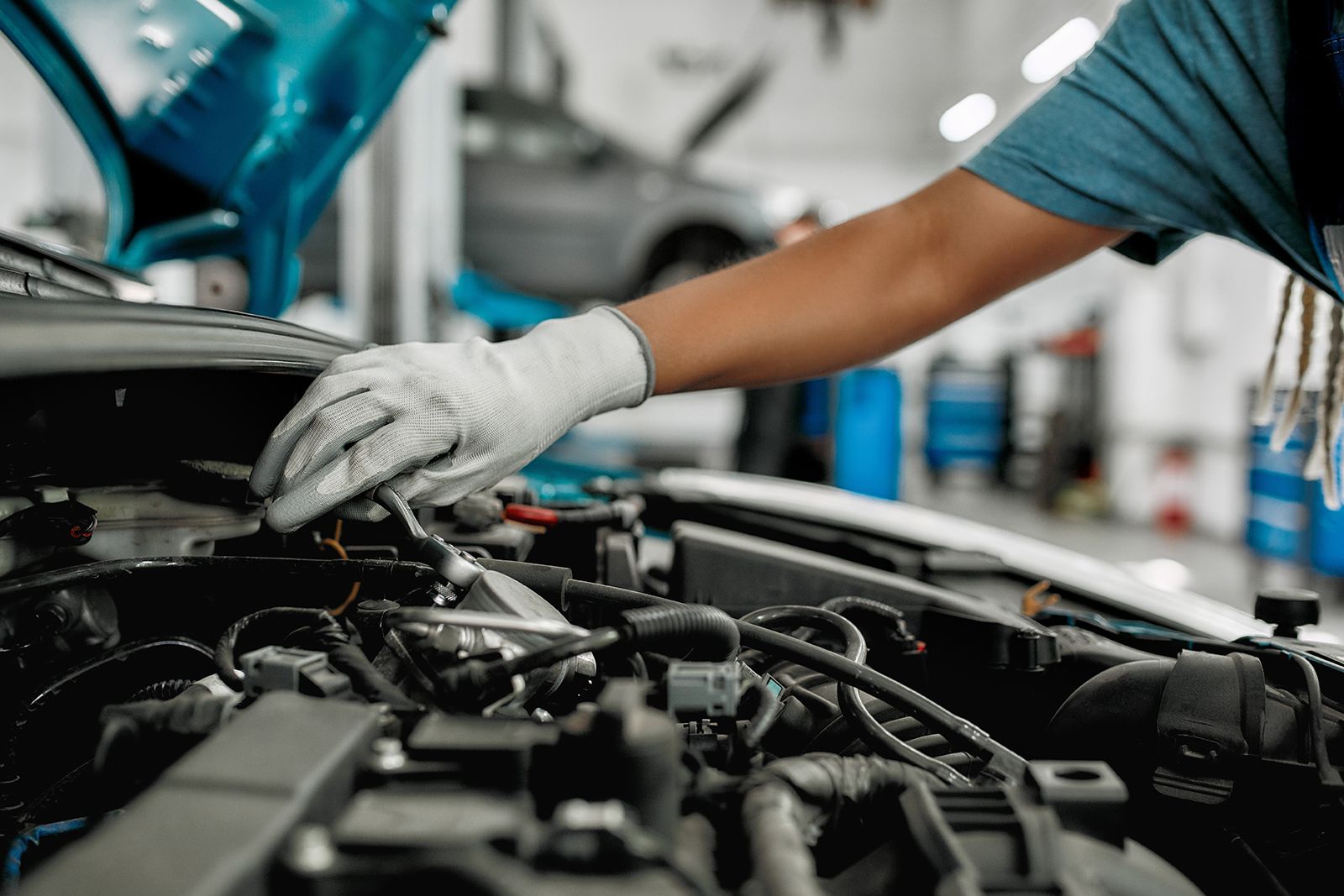

Maintaining a smooth, reliable ride is essential for any driver, yet many overlook the subtle clues that signal when it’s time for a professional inspection. Recognizing vehicle check-up signs early on can save you from costly repairs and unexpected breakdowns. Being proactive about your car’s health not only extends its lifespan but also ensures safety and efficiency on the road.
Unusual Noises and Vibrations
One of the most common maintenance indicators is the presence of unusual sounds while driving. If your vehicle begins to emit unfamiliar rattles, clunks, or whining noises, it might be trying to tell you something is off. For instance, a persistent squeaking noise when braking could indicate worn brake pads, while a grinding sound might suggest deeper mechanical issues. Additionally, unexpected vibrations, whether felt through the steering wheel or the seat, can signal misaligned wheels or tire imbalances. These subtle car health alerts are vital clues that you should consider when to visit mechanic.
Dashboard Warning Lights
Modern vehicles are equipped with sophisticated sensors that monitor critical systems. When a warning light illuminates on your dashboard, it is a clear vehicle check-up sign. From the check engine light to alerts for low oil pressure or battery issues, these signals are designed to prompt immediate attention. Ignoring these alerts can lead to severe damage, making it crucial to address them promptly. If any warning lights come on, it’s a strong indication of when to visit mechanic to diagnose and resolve potential issues before they escalate.
Fluid Leaks and Discoloration
Fluid leaks are another key maintenance indicator that your vehicle may need a check-up. If you notice puddles under your car or spots on your driveway, these could be signs of leaking oil, coolant, or brake fluid. The color and consistency of these leaks can provide further clues; for instance, a brown, gritty residue might suggest old oil, while a clear, sweet-smelling liquid could indicate coolant. Regularly inspecting your vehicle for car health alerts like fluid leaks is a simple yet effective way to maintain your car’s performance and longevity.
Changes in Fuel Efficiency
A sudden drop in fuel efficiency is often an overlooked vehicle check-up sign. If your car starts consuming more fuel than usual, it may be a symptom of underlying issues such as a clogged air filter, failing spark plugs, or engine misfires. Monitoring your fuel consumption closely can help you detect these changes early, ensuring that your vehicle remains both economical and environmentally friendly. When your mileage declines noticeably, it’s time to consider when to visit mechanic for a comprehensive check.
Handling and Steering Anomalies
The way your car handles and responds to steering inputs can reveal much about its overall health. If you experience difficulty in steering, excessive tire wear, or a drift to one side, these could be signs of alignment problems or suspension issues. Such maintenance indicators are critical not only for comfort but also for safety on the road. Smooth handling is paramount for a reliable driving experience, and any deviations should prompt immediate investigation by a professional.
Exhaust and Emission Issues
A vehicle’s exhaust system is integral to its performance and environmental compliance. If you detect unusual odors, such as a strong smell of gasoline or burning rubber, or if you observe black or blue smoke from the exhaust, these are significant car health alerts. Such signs often indicate issues with engine combustion or problems within the exhaust system itself. Timely intervention can prevent further damage and ensure your vehicle remains compliant with emission standards, protecting both your investment and the environment.
Brake Performance and Wear
Your brakes are one of the most critical safety features of your car. Any change in brake performance—such as a soft pedal, longer stopping distances, or unusual noises when braking—is a clear vehicle check-up sign. Brake wear not only compromises safety but can also lead to more expensive repairs if left unaddressed. Regular inspections and timely replacements are essential to ensure your braking system functions optimally. If your brakes seem less responsive, it’s crucial to determine when to visit mechanic to prevent potential hazards.
The Importance of Regular Inspections
Routine inspections are the cornerstone of proactive vehicle maintenance. Scheduling regular check-ups allows you to catch maintenance indicators early and address issues before they escalate. A comprehensive inspection typically covers engine performance, brake condition, tire wear, fluid levels, and more. By adhering to a strict maintenance schedule, you can ensure that your car remains in peak condition, providing a smooth ride and long-term reliability.
Staying Ahead with Preventive Care
Preventive maintenance is the most effective way to safeguard your investment. Simple practices, such as keeping your tires properly inflated, changing the oil at recommended intervals, and replacing worn-out parts, can significantly extend your vehicle’s lifespan. These routine tasks are the building blocks of car health alerts that help you maintain a high level of performance. They are also crucial in determining when to visit mechanic before minor issues evolve into major problems.
Monitoring and Adaptation
In today’s technologically advanced world, monitoring your vehicle’s performance has never been easier. Many modern cars come equipped with onboard diagnostics that alert you to potential issues before they become critical. Paying attention to these alerts and acting on them promptly can be the difference between a minor repair and a major overhaul. Regularly reviewing maintenance records and keeping a log of any unusual occurrences can help you identify patterns and anticipate future needs.
This proactive approach to vehicle care not only ensures a smoother ride but also minimizes downtime and repair costs over the long term. By staying vigilant and addressing concerns as they arise, you can continue to enjoy smooth ride maintenance and preserve your car’s optimal performance.
Maintaining your vehicle in pristine condition is essential for both safety and efficiency. Recognizing the vehicle check-up signs—from unusual noises and fluid leaks to changes in fuel efficiency and handling—empowers you to take proactive steps. Whether it’s when to visit mechanic or routine preventive care, each action contributes to a smoother, more reliable driving experience.
Embracing a holistic approach to maintenance, informed by regular inspections and modern diagnostics, ensures that your vehicle remains a dependable companion on every journey. By implementing these car health alerts and adhering to a disciplined maintenance schedule, you safeguard your investment and enjoy a driving experience that is both enjoyable and economical.
Stay attuned to the subtle signals your vehicle sends and prioritize regular check-ups to prevent costly repairs. With the right care and attention, your car will continue to deliver optimal performance, providing you with the freedom to explore new horizons and make every drive a pleasure. Enjoy the journey and the confidence that comes with knowing your vehicle is in top-notch condition, ready to meet the demands of every road ahead.