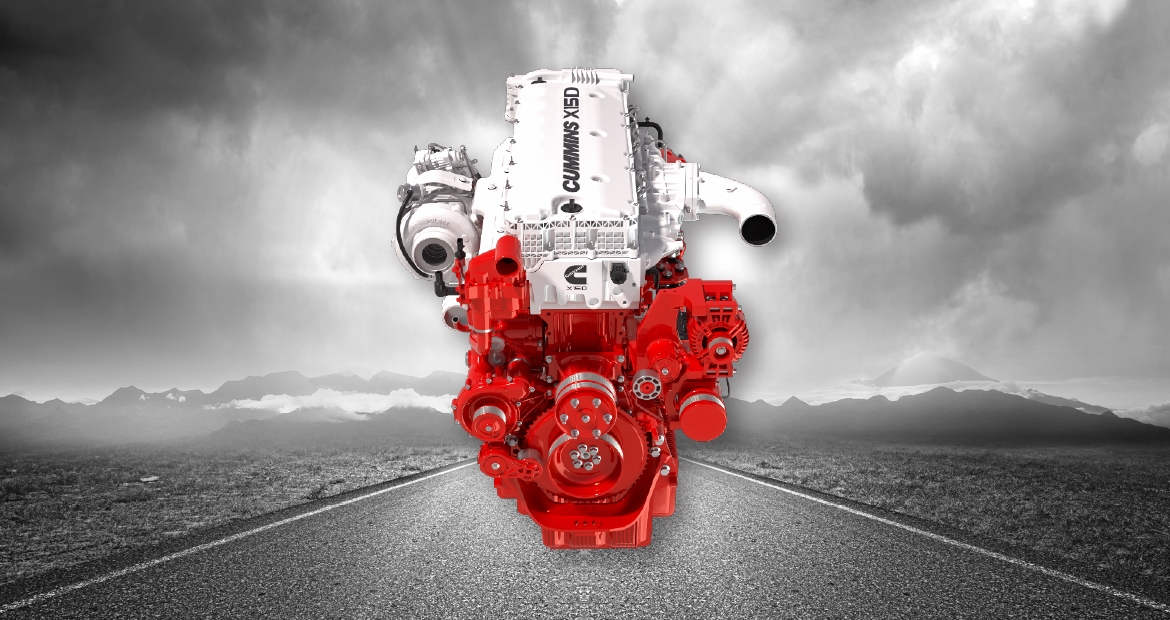

A vehicle’s engine is a finely tuned symphony of moving parts, electrical signals, and fuel combustion. But when something goes wrong, that harmony turns into a cacophony of warning lights, strange noises, and dreaded breakdowns. Understanding engine failure signs early can save you from costly repairs and sudden roadside emergencies.
Recognizing the Red Flags of Engine Trouble
Engines rarely fail without warning. Paying attention to subtle clues can help drivers detect common engine issues before they escalate into major problems.
Warning Lights on the Dashboard
The check engine light isn’t just a decoration—it’s your car’s way of communicating distress. If it’s flashing, your engine could be in immediate danger. A steady light may indicate a minor issue, but don’t ignore it.
Unusual Noises
- Knocking or Pinging – Often linked to incorrect fuel octane, carbon buildup, or failing spark plugs.
- Squealing or Screeching – Typically caused by worn-out belts or pulleys.
- Grinding or Rattling – Could indicate internal engine wear or a failing timing chain.
Smoke or Steam from the Hood
- White Smoke – May suggest a coolant leak, leading to overheating.
- Blue Smoke – Indicates burning oil, a sign of worn piston rings or valve seals.
- Black Smoke – Points to excessive fuel consumption, potentially from a faulty fuel injector or air filter.
Performance Decline
If your car struggles to accelerate, stutters while idling, or frequently stalls, these are major engine failure signs. These symptoms often stem from fuel system malfunctions, ignition failures, or clogged air filters.
Common Engine Issues That Lead to Breakdowns
Even the most well-maintained engines encounter problems. Knowing the most common engine issues can help drivers take preventative action.
Overheating
An overheated engine can warp metal components, leading to permanent damage. Causes include a malfunctioning thermostat, low coolant levels, or a failing radiator.
Oil Leaks
Engine oil is crucial for lubrication and cooling. If you notice oil puddles under your car or a burning smell while driving, you may have a leaking gasket or worn-out seals.
Battery and Alternator Failures
A weak battery or faulty alternator can prevent your engine from running properly. Dimming headlights, flickering dashboard lights, or difficulty starting your car could point to electrical issues.
Timing Belt or Chain Failures
A snapped timing belt can cause catastrophic engine damage, leading to bent valves and damaged pistons. If your vehicle is due for a timing belt replacement, don’t delay.
Fuel System Malfunctions
A clogged fuel filter, bad fuel injectors, or a failing fuel pump can restrict fuel delivery, leading to poor engine performance and frequent stalling.
How to Diagnose Engine Problems Like a Pro
When trouble arises, knowing how to diagnose engine problems can help you determine whether it’s a quick fix or a situation requiring professional attention.
Step 1: Scan for Error Codes
A diagnostic scanner (OBD-II) can reveal trouble codes stored in your car’s computer, pointing you toward the issue.
Step 2: Listen to the Sounds
Unusual engine noises can tell you a lot about what’s wrong. Clicking noises may indicate low oil pressure, while hissing suggests a vacuum leak.
Step 3: Check Fluid Levels
Inspect your oil, coolant, and transmission fluid. Low or contaminated fluids can lead to serious mechanical failures.
Step 4: Observe Exhaust Emissions
Different smoke colors can indicate specific problems. If your car is blowing thick smoke, address it immediately to prevent further damage.
Step 5: Feel for Vibrations or Hesitation
A rough-running engine, jerky acceleration, or excessive vibrations could stem from misfires, unbalanced engine mounts, or failing spark plugs.
Engine Repair Tips to Keep Your Car Running Strong
If engine troubles arise, knowing a few engine repair tips can save you time, money, and frustration.
Stay on Top of Maintenance
Regular oil changes, coolant flushes, and belt replacements can extend the life of your engine. Never skip scheduled maintenance.
Replace Spark Plugs and Filters
A fresh set of spark plugs and clean air and fuel filters can restore lost power and improve fuel efficiency.
Monitor the Cooling System
Check hoses, radiators, and coolant levels frequently to prevent overheating, one of the leading causes of engine failure.
Use High-Quality Fuel and Oil
Low-quality gasoline and cheap motor oil can lead to carbon buildup and premature engine wear. Opt for top-tier fuel and synthetic oil for maximum protection.
Know When to Seek Professional Help
Some issues require an experienced mechanic. If you’re unsure, don’t gamble with your engine—get it checked before minor problems turn into major repairs.
Final Thoughts
Understanding engine failure signs, identifying common engine issues, and learning how to diagnose engine problems can help any driver stay ahead of mechanical breakdowns. When things do go wrong, applying smart engine repair tips can mean the difference between a quick fix and an expensive overhaul. Stay proactive, listen to your engine, and keep your car in peak condition for miles of trouble-free driving.