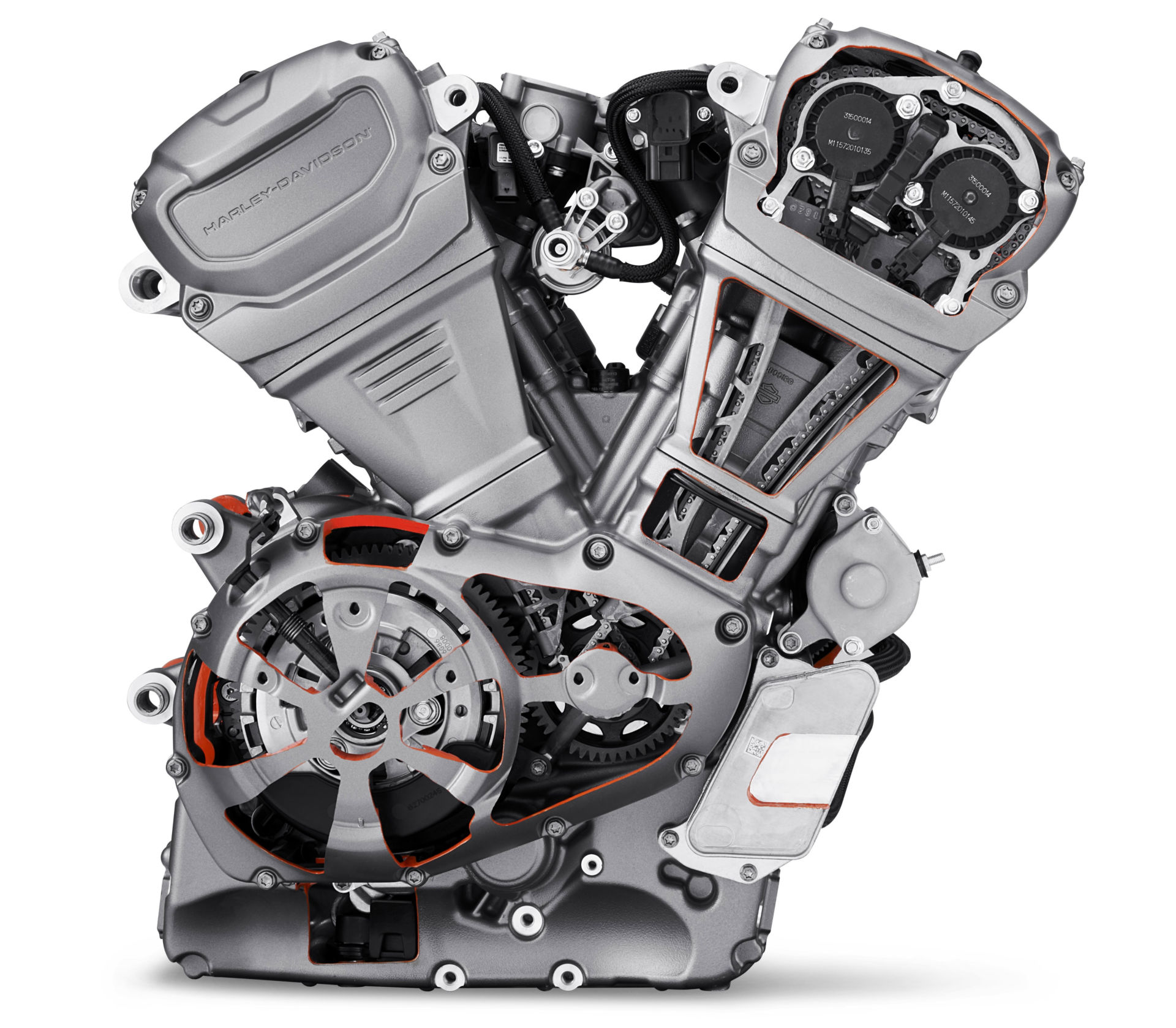
Sustainable Speed Green Engine In the high-octane world of motorsports, where the pursuit of speed and victory often takes center stage, a quiet revolution is underway—a transformation driven by the adoption of Eco-Friendly Speed and the integration of Green Racing Technology. This paradigm shift not only redefines the way we approach racing but also underscores the growing importance of Sustainability In Racing. At the heart of this transformation are the remarkable strides made in developing Environmentally-Friendly Engines that promise to change the face of motorsports as we know it.
The Need for Green Racing
A Changing Climate

As the world grapples with the increasingly urgent need to combat climate change and reduce greenhouse gas emissions, the realm of motorsports has not remained immune to these concerns. The traditional perception of racing as a polluting and environmentally harmful activity has prompted the industry to reevaluate its practices and seek innovative solutions. The call for greater sustainability in racing has never been more resounding.
The Rise of Eco-Friendly Speed
The concept of Eco-Friendly Speed is not an oxymoron; rather, it signifies a commitment to achieving high-performance racing while minimizing the ecological footprint. This is not merely a matter of appeasing environmental concerns but a profound shift in how we view racing. It’s a recognition that speed and sustainability can coexist.
The Pioneers of Green Racing Technology
Formula E: Racing Electric

One of the most conspicuous pioneers of Green Racing Technology is Formula E, an all-electric racing championship that has been instrumental in reshaping the narrative of motorsports. Unlike traditional internal combustion engines, Formula E cars are powered by electric motors, producing zero tailpipe emissions. This represents a significant step towards Sustainability In Racing.
The Formula E championship has become a crucible of innovation, driving advancements in electric vehicle technology that have far-reaching implications for the automotive industry as a whole. With the unmistakable whir of electric motors and the absence of engine roars, Formula E is redefining what it means to be fast on the racetrack.
Hydrogen-Powered Racing: The Future Beckons
While electric racing has gained considerable traction, the pursuit of Eco-Friendly Speed extends beyond batteries. Hydrogen-powered racing is emerging as a promising frontier. Hydrogen fuel cells, which produce electricity through a chemical reaction between hydrogen and oxygen, offer the potential for high-performance racing without the environmental impact.
The development of hydrogen-powered racing cars represents a convergence of sustainability and speed. These vehicles emit nothing but water vapor, making them a potent symbol of Environmentally-Friendly Engines. Companies like Toyota and Hyundai have already embarked on this journey, aiming to revolutionize the racing world with their hydrogen-powered prototypes.
The Science Behind Sustainable Speed
Electrifying Advancements

Electric racing cars are not mere novelties; they are showcases of cutting-edge technology. The heart of these machines lies in their electric powertrains, which consist of electric motors, inverters, and high-capacity batteries.
Electric motors deliver instantaneous torque, providing lightning-fast acceleration that can rival or even surpass their combustion engine counterparts. The Eco-Friendly Speed achieved by these machines is not just a product of raw power but also precision engineering.
Battery Technology: The Power Source
At the core of electric racing cars are high-performance batteries that store and deliver energy efficiently. These batteries have evolved significantly, with advancements in energy density, fast-charging capabilities, and thermal management.
The relentless pursuit of improving battery technology has led to longer-lasting and more powerful batteries. This is essential for racing, where every ounce of energy matters in the quest for victory. Green Racing Technology hinges on the ability of these batteries to provide sustained power throughout the race.
Regenerative Braking: Energy Harvesting
Another hallmark of electric racing technology is regenerative braking. When a Formula E car brakes, the electric motor reverses its role and becomes a generator, converting kinetic energy back into electrical energy that can be stored in the battery. This ingenious system not only enhances efficiency but also underscores the commitment to Sustainability In Racing.
The Challenge of Range and Refueling
Pit Stops Reimagined

In traditional racing, pit stops are all about refueling and tire changes. However, in the world of electric racing, pit stops take on a different dimension. Instead of refueling, teams swap out entire cars, each with a fully charged battery. These “car swaps” are a testament to the current limitations of battery technology, as a full race distance on a single charge remains a challenge.
In contrast, hydrogen-powered racing envisions a future where pit stops involve refilling with hydrogen gas, akin to the traditional process of refueling with gasoline. This offers the potential for more continuous racing without the need for car swaps, further enhancing the allure of Eco-Friendly Speed.
The Racing Landscape of Tomorrow
Road to Sustainability
The adoption of Environmentally-Friendly Engines in motorsports is not limited to dedicated electric or hydrogen-powered racing series. Traditional racing series, such as Formula 1 and NASCAR, are also venturing into the realm of sustainability.
Formula 1, for instance, has committed to becoming a net-zero carbon sport by 2030. This ambitious goal involves reducing emissions from the cars themselves and making the entire racing ecosystem more sustainable. It’s a clear indication that the concept of Sustainability In Racing is not confined to niche categories but is becoming a fundamental pillar of the racing world.
The Impact on Road Cars
The innovations driven by Green Racing Technology have a ripple effect beyond the racetrack. The technology developed for high-performance electric and hydrogen-powered racing cars often finds its way into production vehicles, shaping the future of transportation.
These advancements influence the development of electric and hydrogen fuel cell road cars, which, in turn, contribute to reducing emissions and enhancing the sustainability of the automotive industry as a whole. Thus, the pursuit of Eco-Friendly Speed in racing is intertwined with the broader goal of creating a more sustainable future for all.
Read More : Electric Dreams Silent Engine
Close: Sustainable Speed Green Engine
The integration of Green Racing Technology and the pursuit of Sustainability In Racing represent a turning point in the history of motorsports. What was once seen as a domain of excess and environmental neglect is evolving into a beacon of innovation, sustainability, and Environmentally-Friendly Engines.
The roar of traditional racing engines may still echo in the annals of motorsports, but it is increasingly being joined by the whir of electric motors and the whisper of hydrogen combustion. These new sounds symbolize a future where racing and the environment can coexist harmoniously, where speed and sustainability are not at odds but in perfect balance.
As we look ahead to the racing landscape of tomorrow, one thing is clear: the pursuit of Eco-Friendly Speed is not just a trend; it’s a transformative force that will shape the future of racing and, by extension, the future of our planet. In this race for sustainability, the checkered flag represents not just victory on the track but also a triumph for the environment and for us all.