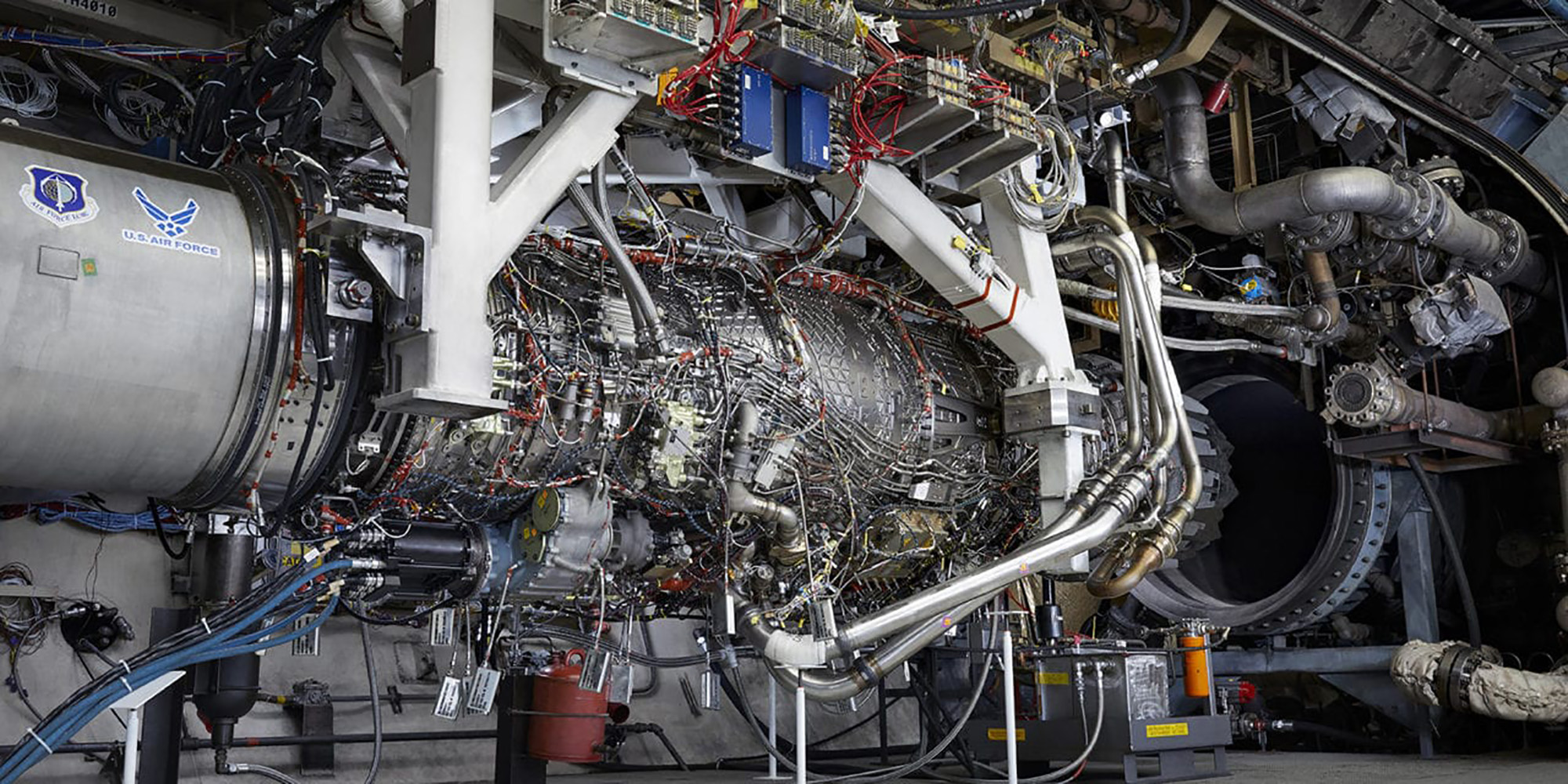

When you think of power, you probably imagine roaring V8s or turbocharged monsters under the hood. But what if the secret to high performance lies not in size, but in precision engineering? Powerful small engines are revolutionizing industries, delivering surprising strength while remaining lightweight and efficient. Whether it’s in motorcycles, compact cars, or high-performance tools, small engine performance is proving that size isn’t everything.
The Science Behind Compact Power
At first glance, it might seem impossible for a small engine to generate serious power. But modern engineering has shattered that assumption. Through a combination of advanced materials, forced induction, and precision tuning, compact engine strength has reached new heights.
1. Turbocharging and Supercharging
A natural way to boost power without increasing displacement is by forcing more air into the combustion chamber. Turbochargers and superchargers increase air density, allowing for more fuel combustion and greater power output. Many high-performance high-output small motors rely on these technologies to generate horsepower levels once thought impossible for their size.
2. High-Compression Ratios
Smaller engines compensate for their size by increasing compression ratios, squeezing air and fuel more efficiently for a more powerful explosion. This results in greater thermal efficiency, allowing for small engine performance that rivals larger counterparts while consuming less fuel.
3. Lightweight Materials and Design
Modern powerful small engines utilize aluminum, carbon fiber, and titanium components to reduce weight while maintaining strength. This not only enhances acceleration but also improves overall handling and efficiency. Less weight means better power-to-weight ratios, giving smaller engines an undeniable edge.
Where Small Engines Dominate
Motorcycles and Sports Bikes
In the world of two wheels, compact engine strength defines performance. Sportbikes with 600cc engines can easily outpace larger cruisers due to superior power delivery and higher RPM ranges. Advances in aerodynamics and engine tuning allow smaller engines to perform like beasts on the track.
Compact and Performance Cars
Modern hatchbacks and compact sedans are breaking the myth that smaller engines lack muscle. Turbocharged 1.5L and 2.0L engines found in sports compacts deliver jaw-dropping acceleration while remaining fuel-efficient. The Honda Civic Type R and Volkswagen GTI are prime examples of high-output small motors that defy expectations.
Industrial and Racing Applications
Formula 1 cars, some of the most technologically advanced machines on the planet, use small but incredibly potent hybrid turbo engines. These engines are engineered for maximum efficiency, proving that small engine performance can dominate even the highest levels of motorsport.
Power Tools and Equipment
From chainsaws to generators, powerful small engines have transformed construction and landscaping industries. Compact yet mighty, these motors deliver the performance needed to tackle demanding tasks while remaining portable and fuel-efficient.
The Benefits of Small but Mighty Engines
1. Fuel Efficiency Without Sacrificing Power
Thanks to advanced fuel injection systems and intelligent combustion strategies, compact engine strength delivers impressive fuel economy while still packing a punch. Smaller displacement means less fuel consumption, but when engineered correctly, the performance remains exhilarating.
2. Lower Emissions and Environmental Benefits
With global efforts to reduce carbon footprints, manufacturers are pushing the limits of small engine performance to comply with strict emissions regulations. Smaller engines produce fewer emissions while maintaining high efficiency, making them ideal for sustainable transportation solutions.
3. Cost-Effectiveness and Maintenance
Compared to larger, more complex engines, high-output small motors are often easier and cheaper to maintain. They require fewer materials, consume less fuel, and often have longer lifespans due to their efficient operation.
The Future of Small Engine Power
As automotive and mechanical engineering advances, the line between large and small engines continues to blur. With hybrid systems, electric assist technology, and innovative forced induction setups, powerful small engines are getting even stronger. In the coming years, expect even more performance breakthroughs that redefine what small engines can achieve.
So, the next time someone underestimates a small engine, remind them—it’s not about size, it’s about engineering mastery.