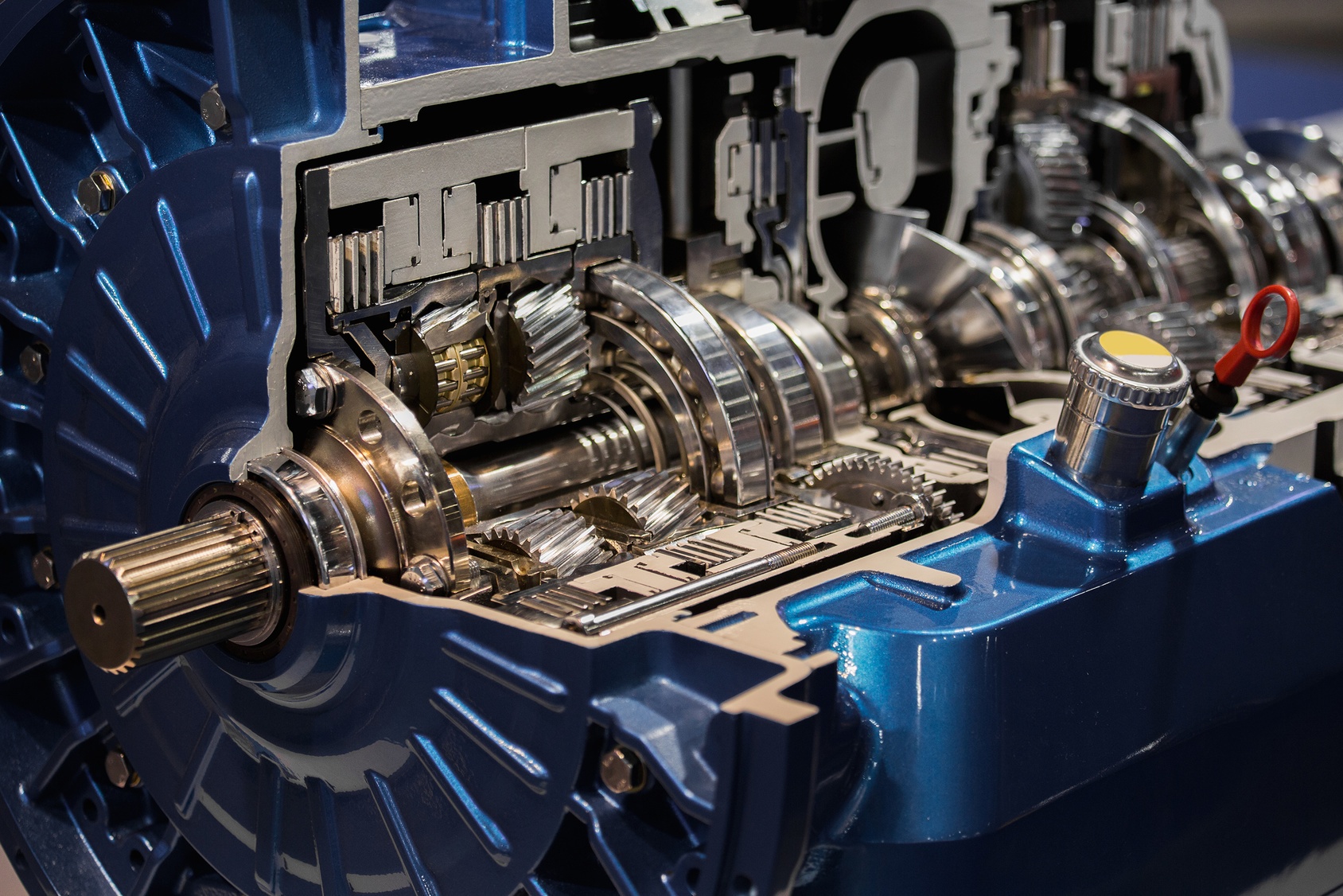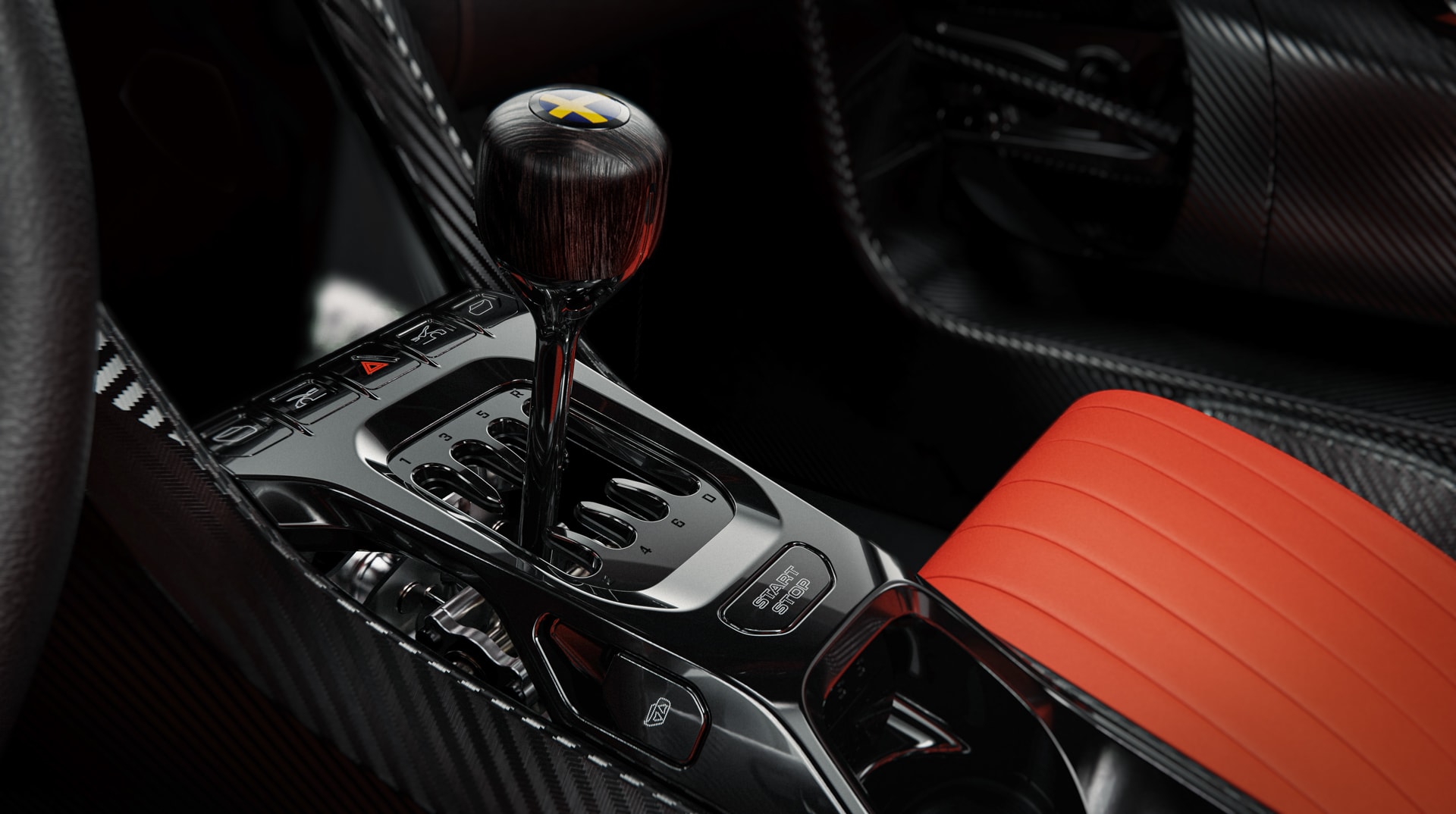

Your vehicle’s transmission is one of its most critical components, ensuring seamless power delivery and smooth shifting. When it begins to fail, it often gives early warnings that shouldn’t be ignored. Catching these transmission warning signs early can save you from costly repairs and breakdowns. If you’ve noticed unusual shifts, strange noises, or sluggish performance, it may be time for a closer inspection.
Warning Signs That Indicate Transmission Trouble
1. Slipping Gears or Hesitation
A properly functioning transmission should shift gears smoothly and effortlessly. If your vehicle unexpectedly changes gears or struggles to stay in one, it could be a sign of gear performance issues.
- Slipping gears may feel like a sudden loss of power or a hesitation when accelerating.
- You may experience delayed responses when shifting into Drive or Reverse.
- In some cases, the engine revs but the car doesn’t accelerate as expected.
These symptoms can indicate worn-out transmission bands, low fluid levels, or more serious internal damage.
2. Unusual Noises While Shifting
If your vehicle starts producing unusual shift noises, it’s a clear indication that something isn’t right with your transmission.
- A whining noise often points to transmission fluid problems or worn-out gears.
- Grinding sounds can mean that the transmission’s internal components are wearing down.
- Clunking noises when shifting between gears could signal failing transmission mounts or misaligned parts.
Ignoring these sounds can lead to worsening damage, making repairs more expensive down the line.
3. Burning Smell
A distinct burning odor coming from your vehicle could indicate overheating transmission fluid. Transmission fluid plays a vital role in cooling and lubricating the system. If it overheats, it loses its effectiveness, leading to degrading transmission efficiency.
- Dark, burnt-smelling fluid is a red flag. Healthy transmission fluid should be red and free from debris.
- Overheated fluid can cause increased friction, leading to faster wear on the transmission components.
If you notice this smell, check your transmission fluid levels immediately and schedule a service if necessary.
4. Fluid Leaks
Leaking transmission fluid is another major warning sign. Unlike engine oil, transmission fluid is not meant to burn off, so a low fluid level usually indicates a leak.
- Look for bright red, pink, or dark brown puddles under your car.
- A persistent leak can cause severe damage by reducing lubrication and cooling.
Catching a leak early can prevent internal damage and extend the life of your transmission.
5. Unresponsive or Hard Shifting
A well-functioning transmission should shift gears effortlessly. If your vehicle resists shifting, jerks into gear, or requires excessive force to change gears, this is a major sign of gear performance issues.
- Automatic transmissions may hesitate before engaging a gear or shift roughly between speeds.
- Manual transmissions may feel stiff or grind when changing gears.
This could be due to transmission fluid issues, clutch problems, or internal wear and tear.
6. Check Engine Light
Many drivers associate the check engine light with engine problems, but it can also indicate transmission trouble. Modern vehicles have sensors that detect degrading transmission efficiency and other drivetrain issues.
- A blinking or persistent check engine light should never be ignored.
- Diagnostic scans can help determine whether the issue is related to the transmission.
If your check engine light is on and you’re experiencing any of the other warning signs, it’s time for an inspection.
7. Sudden Surges or Lurching
If your car unexpectedly speeds up or lurches without pressing the accelerator, your transmission might not be properly regulating power.
- This could be caused by a malfunctioning torque converter or erratic fluid pressure.
- Unstable acceleration can make driving unpredictable and unsafe.
Getting this checked out quickly can prevent further damage and improve your driving experience.
Why Transmission Maintenance Matters
Your transmission is a finely tuned system that requires proper maintenance to function efficiently. Ignoring transmission warning signs can lead to complete transmission failure, which is one of the most expensive vehicle repairs.
Preventative Measures
- Regularly check and change your transmission fluid.
- Get routine inspections to catch early gear performance issues.
- Address unusual shift noises before they escalate into serious problems.
- Avoid aggressive driving habits that put unnecessary strain on your transmission.
By staying proactive and addressing issues early, you can maintain degrading transmission efficiency and extend the life of your vehicle.
Final Thoughts
A well-maintained transmission ensures a smoother ride, better fuel efficiency, and a longer vehicle lifespan. By paying attention to transmission warning signs, addressing gear performance issues, and responding to unusual shift noises, you can avoid costly repairs and keep your car running at peak performance. If you suspect transmission trouble, don’t wait—get it checked by a professional to prevent further damage.