
Introduction & Background
Motor performance stands at the heart of automotive innovation, shaping the driving experience from everyday commutes to high-octane racing circuits. Whether under the hood of a family sedan or across the sleek bodywork of a supercar, the principles of motor performance dictate power delivery, responsiveness, and efficiency. In today’s fast-evolving automotive landscape, mastering motor performance is not just for engineers or professional drivers, but for anyone who values a smooth, powerful, and reliable ride. With advancements in engine technology, materials science, and digital control systems, the potential to enhance motor performance has never been greater. This article explores how to unlock the full potential of motor performance, transforming the way vehicles operate and elevating the driving experience to new heights.
Concept & Overview
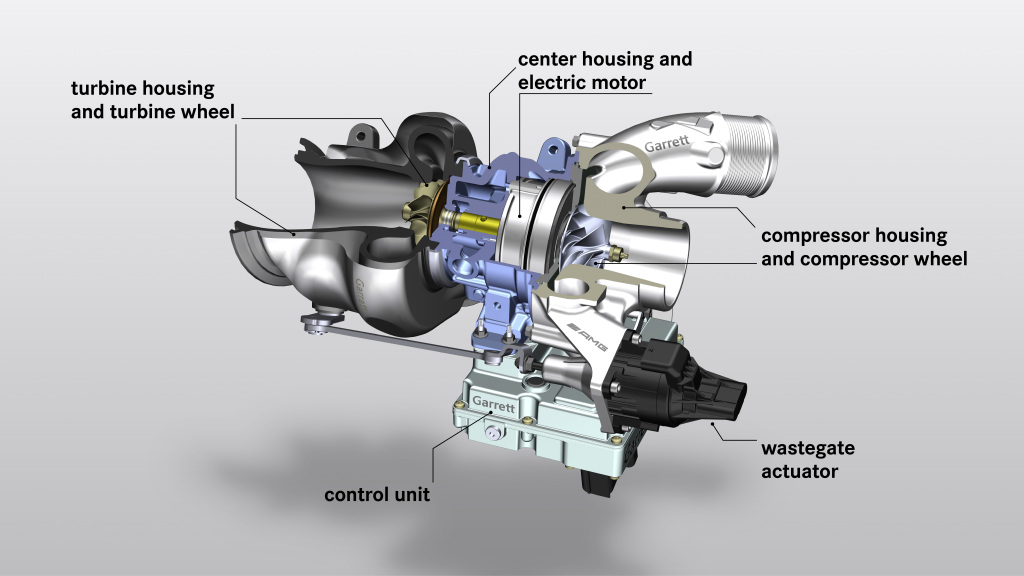
Motor performance refers to the collective efficiency, power, and responsiveness of an engine and its associated systems. It encompasses several key factors including horsepower, torque, throttle response, fuel efficiency, and emissions control. At its core, motor performance is about optimizing the combustion process, reducing energy loss, and ensuring that energy is translated into motion with minimal delay or waste. Modern engines achieve this through a combination of advanced technologies such as turbocharging, direct fuel injection, variable valve timing, and sophisticated engine management systems. These technologies work together to deliver more power from smaller engines, improve fuel economy, and reduce environmental impact. Understanding the concept of motor performance involves recognizing that it is not solely about raw power, but also about balance, precision, and adaptability across different driving conditions.
Key Features & Highlights
- Horsepower & Torque Output: These are the primary indicators of an engine’s power. Horsepower measures the engine’s ability to do work over time, while torque reflects the rotational force at the crankshaft, crucial for acceleration and towing.
- Throttle Response: The immediate reaction of the engine to driver input, often enhanced through electronic throttle control and responsive fuel delivery systems.
- Fuel Efficiency: Optimized combustion and advanced engine mapping reduce fuel consumption without sacrificing performance, making modern engines both powerful and economical.
- Advanced Cooling Systems: High-performance engines generate significant heat. Efficient cooling systems maintain optimal operating temperatures, preventing overheating and preserving engine longevity.
- Electronic Engine Management: Modern ECUs (Engine Control Units) constantly adjust fuel injection, ignition timing, and air-fuel ratios for peak performance and emissions compliance.
- Lightweight Materials: The use of aluminum, carbon fiber, and titanium reduces engine weight, improving power-to-weight ratios and handling characteristics.
- Exhaust & Airflow Optimization: High-flow exhaust systems and aerodynamic engine bays reduce backpressure and improve volumetric efficiency, enhancing power output and fuel economy.
Frequently Asked Questions / Pros & Cons
What is the difference between horsepower and torque?
Horsepower measures the engine’s total work output over time, while torque measures the rotational force generated by the engine. Horsepower is often associated with top speed, whereas torque is linked to acceleration and pulling power. High-torque engines excel in situations requiring quick acceleration or towing, while high-horsepower engines are better suited for high-speed applications.
Can motor performance be improved without modifying the engine?
Yes, several non-invasive methods can enhance motor performance. These include using high-quality fuel, maintaining optimal tire pressure, keeping the engine tuned and clean, and ensuring the air filter is unobstructed. Software updates for the Engine Control Unit (ECU) can also improve performance by adjusting fuel and ignition timing for better efficiency and power.
What are the main benefits of upgrading to a high-performance engine?
- Improved acceleration and top speed.
- Enhanced throttle response and driving dynamics.
- Greater towing or payload capacity.
- Reduced 0-60 mph times, appealing to enthusiasts and racers.
What are the potential drawbacks of prioritizing motor performance?
- Increased fuel consumption, especially in high-performance engines.
- Higher maintenance costs due to more complex systems and wear from increased stress.
- Potential reduction in engine longevity if not properly tuned or cooled.
- Higher initial purchase and modification costs.
Practical Guidance & Solutions
To achieve optimal motor performance, start with a solid foundation of regular maintenance. Ensure your engine is tuned according to manufacturer specifications, use the recommended grade of motor oil, and replace air and fuel filters as needed. Consider upgrading to a high-flow air filter or performance exhaust system to improve airflow and power output, but always choose components that are compatible with your engine and driving goals.
For those seeking greater gains, professional dyno tuning can optimize engine parameters for your specific vehicle and fuel type. This process involves running the engine on a dynamometer to measure power output and adjusting the ECU for maximum efficiency and performance. If you’re interested in forced induction, consult a reputable tuner to select a turbocharger or supercharger that matches your engine’s capacity and intended use.
Always monitor engine temperatures, especially after modifications, and invest in a quality cooling system if performance upgrades are significant. For daily drivers, focus on a balance between performance and reliability to ensure long-term satisfaction. Finally, keep driving habits smooth and progressive to reduce unnecessary stress on the engine and drivetrain.
Conclusion
Revving up excellence in motor performance is not just about chasing more horsepower or blistering acceleration, but about creating a harmonious balance between power, efficiency, and reliability. In an era where technology and engineering converge, every driver has the opportunity to enhance their vehicle’s potential without compromising on practicality or sustainability. By understanding the core principles, making informed upgrades, and prioritizing maintenance, motor performance can be transformed from a distant ideal into a tangible reality. Whether you’re a weekend enthusiast or a daily commuter, unlocking the power of your motor is a journey worth taking, one that rewards both the mind and the thrill of the road.