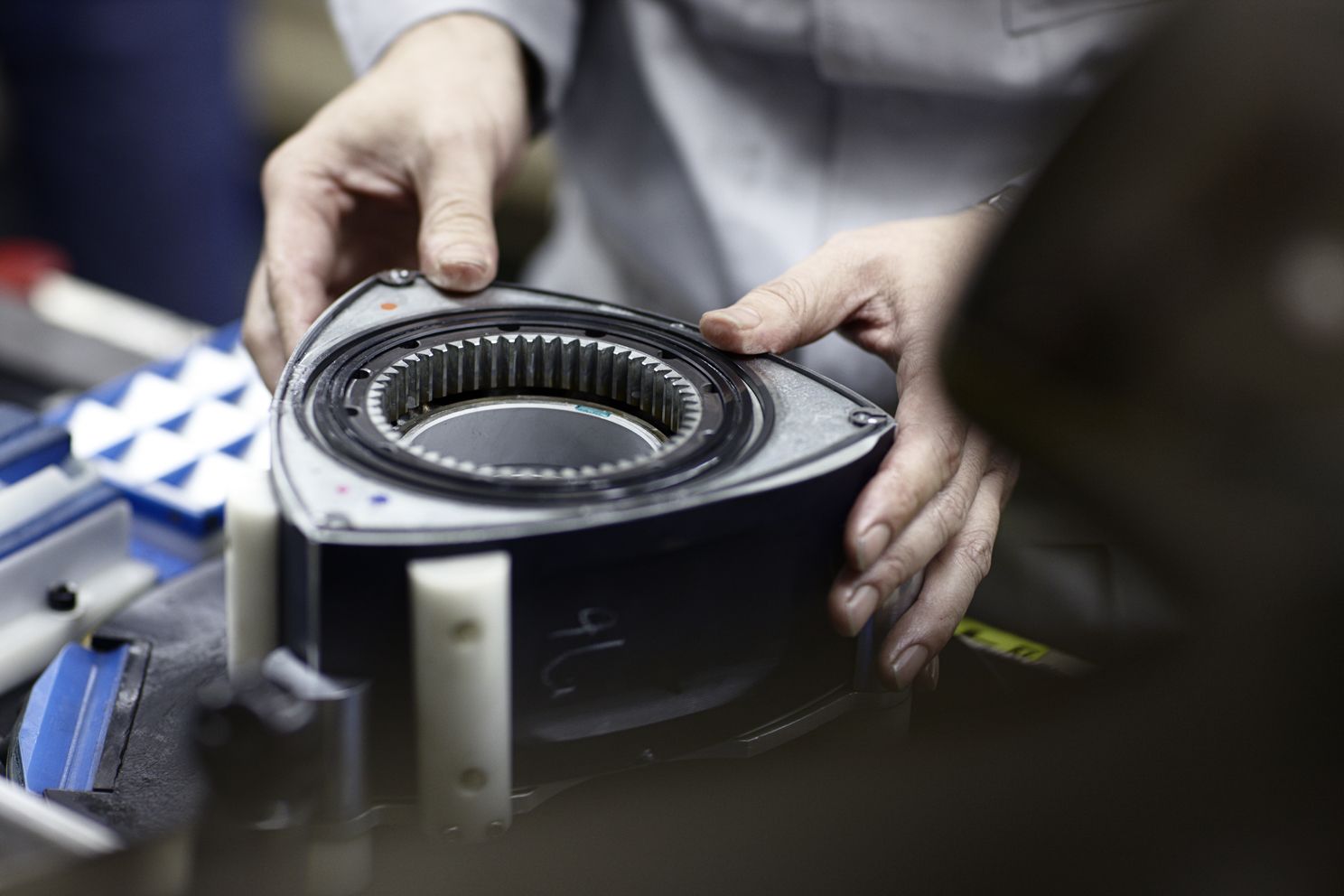

A well-maintained engine is the heart of a reliable vehicle. Whether you’re a daily commuter or a weekend road tripper, ensuring smooth engine operation can save you from costly repairs and unexpected breakdowns. With a few simple yet effective engine hacks, you can keep your car running like a dream while extending its lifespan.
Regular Oil Changes: The Lifeblood of Your Engine
Oil is to an engine what blood is to the human body—it keeps everything lubricated and running efficiently. Over time, engine oil collects dirt, carbon deposits, and debris, reducing its effectiveness. Changing your oil at the recommended intervals helps prevent engine wear by keeping internal components well-lubricated and free from harmful contaminants.
- Use high-quality synthetic oil for better viscosity and longer protection.
- Stick to the oil change schedule specified in your owner’s manual.
- Always replace the oil filter to prevent sludge buildup.
Keep Your Cooling System in Check
Excessive heat is an engine’s worst enemy. A failing cooling system can lead to overheating, warped engine components, and catastrophic failure. To optimize engine health, ensure that your coolant levels are topped up and your radiator is functioning properly.
- Flush the coolant system periodically to remove sediment and rust.
- Check radiator hoses for cracks or leaks.
- Ensure the thermostat and water pump are in good working order.
Air Filter Maintenance: Breathe Easy
Your engine needs a steady supply of clean air for efficient combustion. A clogged air filter can restrict airflow, reduce fuel efficiency, and put unnecessary strain on engine components. Replacing your air filter regularly helps maintain smooth engine operation and improves fuel economy.
- Inspect your air filter every 12,000 to 15,000 miles.
- Consider upgrading to a high-performance air filter for better airflow.
- If driving in dusty conditions, replace it more frequently.
Fuel System Cleaning: Keep It Flowing
Over time, fuel injectors, intake valves, and combustion chambers accumulate carbon deposits that can disrupt fuel delivery and efficiency. Using a high-quality fuel system cleaner helps prevent engine wear by breaking down deposits and restoring fuel injector performance.
- Add a fuel injector cleaner to your gas tank every few thousand miles.
- Use premium fuel if your engine requires it to avoid carbon buildup.
- Consider professional fuel system cleaning for deep maintenance.
Maintain the Ignition System
A weak or failing ignition system can cause misfires, reduced fuel efficiency, and sluggish performance. Replacing spark plugs and ignition coils at the right intervals ensures consistent combustion, helping to optimize engine health and fuel economy.
- Replace spark plugs as per manufacturer guidelines.
- Check ignition coils for wear and tear.
- Inspect ignition wires and distributor caps for cracks or damage.
Regular Belt and Hose Inspections
Belts and hoses play a crucial role in engine performance, powering the alternator, water pump, and other vital components. A worn-out belt can snap unexpectedly, leading to immediate engine failure. To improve engine durability, inspect these parts frequently and replace them before they break.
- Look for cracks, fraying, or excessive wear on belts.
- Check hoses for leaks, swelling, or brittleness.
- Replace timing belts as recommended by your car’s manufacturer.
Use the Right Engine Additives
Engine additives can provide extra protection and longevity to your vehicle. Whether it’s oil stabilizers, octane boosters, or anti-friction treatments, these products help prevent engine wear and improve engine durability when used correctly.
- Choose additives designed for your engine type.
- Avoid overusing additives—stick to manufacturer recommendations.
- Consider using an anti-friction treatment for smoother operation.
Drive Smart to Extend Engine Life
Your driving habits directly impact engine longevity. Sudden acceleration, harsh braking, and excessive idling put unnecessary stress on engine components. To optimize engine health, adopt smooth and controlled driving techniques.
- Avoid revving the engine excessively when cold.
- Use cruise control on highways to maintain steady speeds.
- Shift gears smoothly if driving a manual transmission.
Final Thoughts
A well-cared-for engine delivers better performance, improved fuel efficiency, and a longer lifespan. By incorporating these engine hacks into your maintenance routine, you can ensure smooth engine operation, prevent engine wear, optimize engine health, and improve engine durability for years to come. Small efforts today can save you from major headaches down the road, keeping your car running like new with minimal hassle.