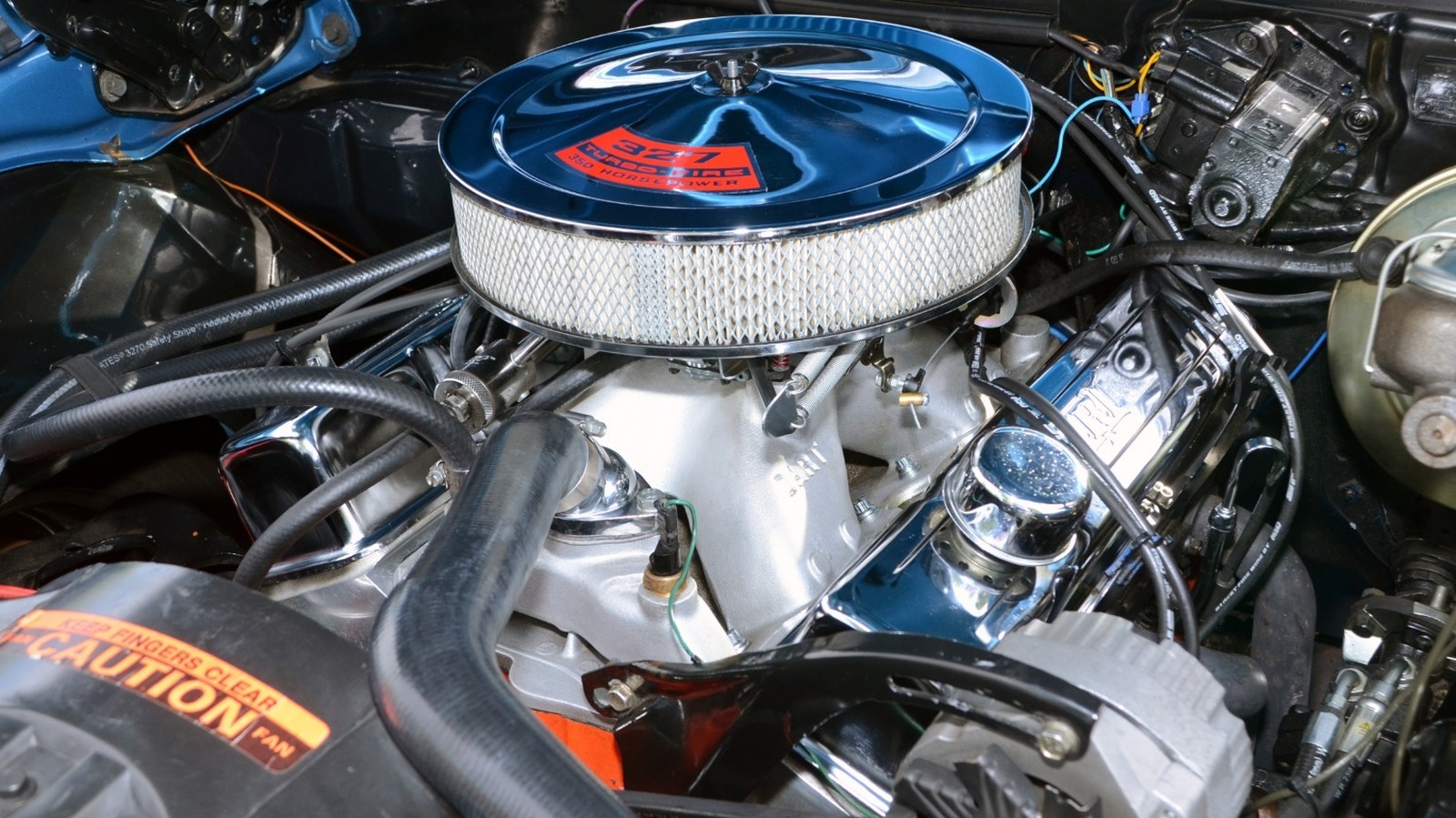

Your engine is the heart of your car. If you take care of it, your vehicle will reward you with smooth performance, better fuel efficiency, and a longer lifespan. Whether you’re a seasoned car enthusiast or just someone who wants to avoid costly repairs, following essential engine care practices can save you time and money.
Below are some of the best basic engine maintenance tips to keep your engine running at peak performance.
1. Change Your Oil Regularly
Oil is the lifeblood of your engine. It lubricates the moving parts, reduces friction, and helps dissipate heat. Over time, oil becomes dirty and loses its effectiveness.
- Follow your vehicle manufacturer’s recommended oil change intervals.
- Use the correct oil grade specified in your car’s manual.
- Check oil levels monthly and top off if necessary.
Neglecting oil changes can lead to sludge buildup, reduced performance, and even total engine failure.
2. Keep an Eye on Coolant Levels
Overheating is one of the quickest ways to damage an engine. Your cooling system prevents your engine from running too hot, but it relies on a proper level of coolant.
- Regularly check your coolant reservoir and refill as needed.
- Flush and replace coolant as per your car’s maintenance schedule.
- Inspect hoses and the radiator for leaks.
Without enough coolant, your engine could overheat and suffer permanent damage.
3. Replace Air Filters on Time
Engines need a precise mix of air and fuel to function efficiently. A clogged air filter restricts airflow, making your engine work harder than necessary.
- Check your air filter every 12,000 to 15,000 miles, or sooner if you drive in dusty conditions.
- Replace it if it looks dirty or clogged.
- A clean air filter improves acceleration, fuel efficiency, and engine longevity.
Regular air filter maintenance is an easy way to enhance performance without expensive repairs.
4. Monitor the Timing Belt and Serpentine Belt
Belts play a crucial role in synchronizing your engine’s components. A broken belt can cause severe engine damage, leading to costly repairs.
- Inspect belts for cracks, fraying, or excessive wear.
- Follow your manufacturer’s guidelines for belt replacement (usually between 60,000 and 100,000 miles).
- If you hear a squealing noise, have the belts checked immediately.
A proactive approach to belt maintenance prevents sudden breakdowns.
5. Check Spark Plugs and Ignition System
Spark plugs ignite the air-fuel mixture in your engine’s cylinders. Worn-out spark plugs can lead to misfires, rough idling, and reduced fuel economy.
- Replace spark plugs as recommended in your owner’s manual.
- If your engine hesitates during acceleration, have the ignition system checked.
- Using high-quality spark plugs can improve combustion efficiency.
A well-maintained ignition system ensures smooth engine operation.
6. Pay Attention to Strange Noises and Smells
Your engine communicates with you through sounds and smells. If something feels off, don’t ignore it.
- Knocking or pinging sounds could indicate improper combustion.
- Burning smells might signal an oil or coolant leak.
- Squealing noises often point to a loose or worn-out belt.
Addressing small issues early can prevent major mechanical failures.
7. Practice Good Driving Habits
How you drive directly impacts your engine’s longevity. Aggressive acceleration, sudden braking, and excessive idling put unnecessary strain on the engine.
- Warm up your car for a few minutes in cold weather before driving.
- Avoid revving the engine excessively.
- Maintain a steady speed rather than frequent stop-and-go driving.
By adopting smooth driving habits, you help protect engine life and improve overall efficiency.
8. Keep the Fuel System Clean
A clean fuel system ensures optimal combustion and fuel economy. Deposits can form over time, reducing performance.
- Use high-quality fuel to prevent carbon buildup.
- Add a fuel system cleaner every few thousand miles to remove deposits.
- Replace the fuel filter at the recommended interval.
A clean fuel system leads to better mileage and smoother engine performance.
9. Inspect and Maintain the Battery
Your engine relies on the battery to start and power electrical components. A weak battery can lead to ignition problems and poor engine performance.
- Check battery terminals for corrosion and clean them if necessary.
- Ensure the battery is securely mounted to avoid vibrations.
- Test the battery regularly, especially before winter.
A strong battery keeps your engine starting reliably every time.
10. Perform Routine Inspections
Regular daily engine upkeep can prevent unexpected breakdowns. It only takes a few minutes to check vital components.
- Look under the hood for any visible leaks.
- Listen for unusual engine noises.
- Check fluid levels and top them off if needed.
Consistent monitoring helps you catch potential issues before they become expensive repairs.
Final Thoughts
Taking care of your engine doesn’t have to be complicated. By following these essential engine care tips, you ensure that your car stays in top shape for years to come. Routine basic engine maintenance and daily engine upkeep will help protect engine life, improve fuel efficiency, and prevent costly repairs.
A little effort now can save you from major headaches later. Drive smart, maintain your engine, and enjoy worry-free travels!