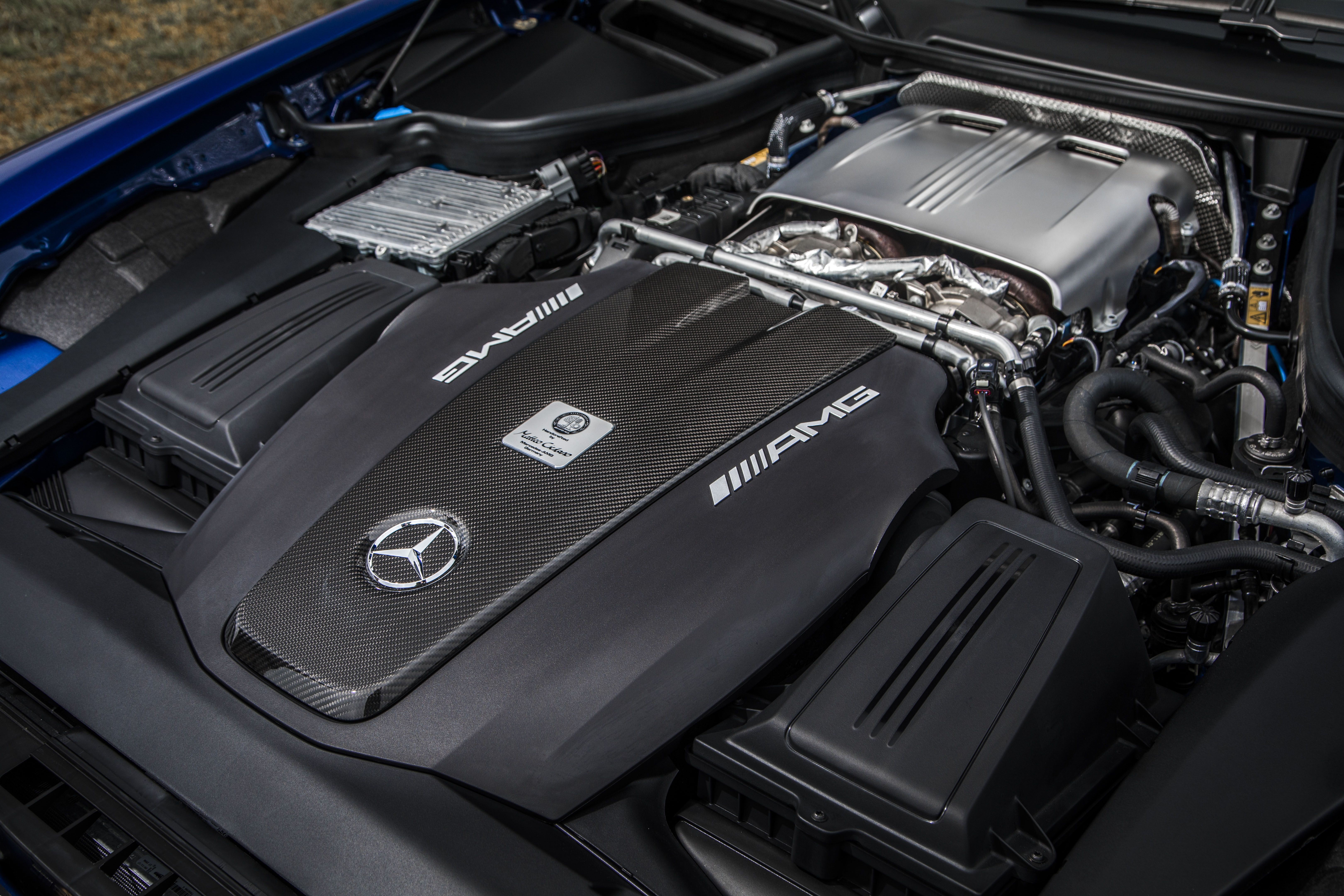

The Science Behind Motor Performance: Revving Up Excellence
At the heart of every high-performance machine—whether it’s a race car, a motorcycle, or a high-speed electric motor—lies a carefully balanced interplay of physics, engineering, and precision design. The quest for excellence in motor performance is not just about raw power; it’s about understanding how energy, materials, and aerodynamics come together to push the limits of what’s possible. From the roar of a V8 engine to the silent hum of a Tesla’s electric powertrain, the principles governing motor performance are both ancient and cutting-edge. In this article, we’ll dissect the science behind motor performance, exploring the key factors that define excellence and how engineers harness them to create machines that defy expectations.
Power vs. Efficiency: The Core Dilemma
One of the most fundamental challenges in motor design is balancing power and efficiency. Power is the ability to do work quickly—whether that means accelerating a car from 0 to 60 mph in under three seconds or propelling a drone to high altitudes in minutes. Efficiency, on the other hand, is about maximizing output while minimizing wasted energy. These two goals often compete, forcing engineers to make trade-offs.
The Role of Energy Conversion
Every motor converts one form of energy into another—typically electrical or chemical energy into mechanical motion. The efficiency of this conversion depends on several factors:
- Thermal Losses: In internal combustion engines (ICEs), a significant portion of energy is lost as heat. Only about 20-30% of the fuel’s energy is converted into useful work, with the rest wasted through exhaust, cooling systems, and friction.
- Electrical Resistance: In electric motors, inefficiencies arise from electrical resistance in the windings, which generates heat. High-performance motors use advanced materials like superconductors or optimized coil designs to reduce these losses.
- Mechanical Friction: Bearings, gears, and sliding surfaces create friction, which saps energy. Lubrication systems and precision engineering help mitigate this, but it remains a critical area of focus for performance gains.
Power Density: The Holy Grail
Power density—the amount of power an engine or motor can produce per unit of weight—is a key metric for performance vehicles. Achieving high power density requires optimizing every component for maximum output without adding unnecessary bulk. For instance:
- Turbocharging and Supercharging: These forced induction systems compress air before it enters the engine, allowing more fuel to burn and increasing power output without significantly increasing engine size.
- Lightweight Materials: Alloys like titanium and carbon fiber are used in high-performance engines to reduce weight while maintaining strength.
- Advanced Cooling Systems: Keeping engines at optimal temperatures prevents thermal throttling, where power output drops due to overheating.
The Physics of Motion: Torque, RPM, and Beyond
Understanding the physics of motion is essential to designing motors that deliver both instant torque and sustained power. Two critical concepts dominate this discussion: torque and revolutions per minute (RPM).
Torque: The Force of Acceleration
Torque is the rotational equivalent of linear force—it’s what you feel when a car accelerates quickly or when a motorcycle pulls away from a stoplight. High torque at low RPMs is crucial for quick acceleration, which is why electric motors, with their instant torque delivery, are so well-suited for performance applications.
In internal combustion engines, torque is generated by the combustion of fuel-air mixtures in the cylinders. The design of the camshaft, piston stroke, and combustion chamber all influence torque output. For example:
- Longer Stroke Engines: These produce more torque at lower RPMs, ideal for towing or heavy loads.
- Higher Compression Ratios: Increasing the compression ratio (the ratio of the volume of the cylinder when the piston is at the bottom versus the top) improves thermal efficiency and torque output.
RPM: The Speed of Power
RPM, or revolutions per minute, measures how fast an engine’s crankshaft is spinning. Higher RPMs allow engines to produce more power, but they also increase wear and tear on components. The relationship between RPM and power is not linear—most engines have a “power band,” a range of RPMs where they perform most efficiently.
To maximize performance, engineers design engines with wide power bands, allowing them to deliver strong power across a broad RPM range. This is achieved through:
- Variable Valve Timing: Systems like Honda’s VTEC or BMW’s Valvetronic adjust the timing of the valves to optimize airflow and power at different RPMs.
- High-Redline Engines: Some performance engines, like those in Formula 1 cars, rev to extremely high RPMs (sometimes over 15,000 RPM) to extract maximum power.
- Dual-Clutch Transmissions: These allow for faster gear shifts, keeping the engine in its power band and reducing power loss during acceleration.
Aerodynamics and Thermal Management: The Unsung Heroes
While torque and RPM are critical for performance, they mean little if the motor can’t sustain them under real-world conditions. Two often-overlooked factors—aerodynamics and thermal management—play a massive role in maintaining peak performance.
Slicing Through the Air: Aerodynamics in Motor Performance
Aerodynamics is the study of how air flows around objects. For high-speed vehicles, reducing drag (air resistance) is essential to achieving higher speeds and better fuel efficiency. Key aerodynamic principles include:
- Drag Coefficient (Cd): A lower Cd means less air resistance. Sports cars like the Tesla Model S Plaid or the McLaren Speedtail are designed with Cd values as low as 0.2, compared to a typical sedan’s 0.3 or higher.
- Downforce: While reducing drag is crucial, generating downforce (force pushing the car downward) improves stability at high speeds. Formula 1 cars generate enough downforce to drive upside down on a ceiling, thanks to features like front and rear wings.
- Active Aerodynamics: Some high-performance vehicles use movable aerodynamic elements, such as adjustable spoilers or air vents, to optimize airflow in real time.
Keeping Cool: Thermal Management in Motors
Heat is the enemy of performance. Excessive heat can cause components to expand, leading to misalignment and increased friction. It can also degrade lubricants and even damage electronic systems. Effective thermal management ensures that motors operate within their ideal temperature ranges, which vary depending on the type of motor:
- Internal Combustion Engines: These rely on liquid cooling systems, radiators, and oil coolers to dissipate heat. Performance engines often use larger or more efficient radiators, as well as aftermarket cooling solutions like intercoolers for turbocharged engines.
- Electric Motors: These generate heat primarily through electrical resistance in the windings. Liquid cooling systems, such as those in the Tesla Model 3’s battery and motor, are essential for maintaining performance during high-load conditions like track driving.
- Hybrid Systems: Vehicles like the Porsche 918 Spyder combine ICE and electric motors, requiring complex thermal management systems to keep both systems operating efficiently without overheating.
The Future of Motor Performance: Electrification and Beyond
The automotive and motor industries are undergoing a seismic shift with the rise of electrification. Electric motors are already outperforming internal combustion engines in many areas, and the trend is only accelerating. But what does the future hold for motor performance?
The Rise of Electric Motors
Electric motors offer several advantages over ICEs:
- Instant Torque: Electric motors deliver maximum torque from 0 RPM, eliminating the need for complex transmission systems to keep the engine in its power band.
- Efficiency: Electric motors can convert over 90% of electrical energy into mechanical motion, compared to 20-30% for ICEs.
- Simplified Design: Fewer moving parts mean less maintenance and greater reliability.
However, challenges remain, particularly around energy storage and thermal management:
- Battery Technology: Current lithium-ion batteries have limitations in energy density and charging speed. Solid-state batteries, which are in development, promise higher energy density and faster charging.
- Thermal Runaway: High-performance electric motors generate significant heat, and if not managed properly, can lead to dangerous thermal runaway—a condition where the battery overheats and catches fire.
- Cooling Innovations: Advanced cooling techniques, such as direct liquid cooling for battery cells or immersion cooling, are being developed to address these challenges.
Beyond Electric: The Next Frontier
While electric motors dominate current discussions, several emerging technologies could redefine motor performance in the coming decades:
- Hydrogen Fuel Cells: These generate electricity through a chemical reaction between hydrogen and oxygen, producing only water as a byproduct. Companies like Toyota and Hyundai are investing heavily in hydrogen-powered vehicles, which could offer the range and refueling times of ICEs with the efficiency of electric motors.
- Hybrid Synergy Drives: Combining multiple power sources (e.g., ICE, electric, and even pneumatic or hydraulic systems) could lead to ultra-efficient, high-performance motors tailored for specific applications.
- Artificial Intelligence and Predictive Maintenance: AI is being used to optimize motor performance in real time by adjusting parameters like fuel injection timing or electric motor torque delivery based on driving conditions. Predictive maintenance algorithms can also identify potential failures before they occur, reducing downtime.
- Nanotechnology and Advanced Materials: Materials like graphene, which is stronger and lighter than steel, could revolutionize motor design by reducing weight and improving strength. Nanotechnology could also lead to self-lubricating surfaces or coatings that reduce friction and wear.
Conclusion: The Path to Perfection
Revving up excellence in motor performance is a multifaceted challenge that blends physics, engineering, and innovation. From the raw power of an ICE to the silent efficiency of an electric motor, each type of motor has its strengths and weaknesses. The future of motor performance lies in overcoming the limitations of current technologies while harnessing the potential of emerging ones. As materials science advances, as battery technology evolves, and as artificial intelligence becomes more integrated into motor design, the boundaries of what’s possible will continue to expand.
For engineers and enthusiasts alike, the pursuit of excellence is an endless journey—one that demands not only technical expertise but also a deep appreciation for the delicate balance between power, efficiency, and sustainability. Whether you’re behind the wheel of a high-performance supercar, piloting a drone through the skies, or simply marveling at the engineering marvels of modern motors, the science behind these machines is a testament to human ingenuity and the relentless drive for perfection.